
Refine by
Toxicology Articles & Analysis
38 articles found

The advantages of using rat thymus FFPE blocks extend beyond basic research. In toxicology studies, these blocks can help evaluate the immunotoxic effects of various substances, providing critical data on the safety and efficacy of pharmaceuticals and environmental chemicals. ...
Understanding the function and importance of cytochrome P450 is essential for fields ranging from pharmacology to toxicology and clinical medicine. Structure and Function Cytochrome P450 enzymes are named for their ability to absorb light at a wavelength of 450 nm when bound to carbon monoxide. ...
Researchers utilize these cells to explore the efficacy of drugs, assess toxicology, and understand the underlying mechanisms of skin diseases such as fibrosis, psoriasis, and melanoma. ...

The evaluation of cardiovascular toxicity is a significant challenge in drug development. Preclinical evaluation of cardiovascular safety involves a multifaceted approach, encompassing a plethora of in vitro and in vivo endpoints. These assessments continuously evolve, aiming to mitigate the incidence of cardiovascular toxicity that may emerge during clinical trials. To shed light on the ...
Researchers can assess cellular responses to injury and test potential therapeutic agents aimed at promoting healing or preventing scarring. Toxicology and Drug Development: HCEC-12 cells are often utilized to evaluate the cytotoxic effects of various compounds on corneal epithelium. ...

A wide range of assays can be performed in this model, from target discovery, target validation or toxicology studies to tumor generation for corresponding in vivo efficacy testing. ...
Pharmacokinetic and Toxicokinetic studies offer a valuable assessment tool in drug development and toxicology, providing crucial insights into the design, interpretation, and regulatory aspects of the chemical and pharmaceutical industry. Clearly, the harmonious dance between pharmacokinetics and toxicokinetics is the linchpin of safety assessment and therapeutic relevance in the ...

These risks can usually be assessed by a combination of downstream purification, HCP residual levels, maximum dose, route of administration, frequency of administration, toxicology data, and clinical data. Although it is generally believed that HCP can potentially trigger an immune response and constitute a clinical safety risk, it is difficult to prove which HCP and ...
Immortalized cell lines and services are of ever-increasing importance in various aspects of biomedicine, toxicology and biotechnology. The cells can be used as model systems in phenotypic and drug screening, high content analysis, target identification, drug development, toxicology testing, gene editing studies, reporter assays. ...

This includes studies that determine the pharmacokinetics of antibodies (how they are absorbed, distributed, metabolized, and excreted by the body), pharmacology (how they affect the body), and toxicology (how they may beget detriment). Once the preclinical test is completed, monoclonal antibodies will enter clinical trials to further determine their safety and effectiveness in ...
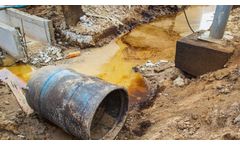
Research and Academic Institutions: Researchers focusing on environmental health, toxicology, and related fields may use the document to inform their studies, contribute to the scientific literature on risk assessment methodologies, or develop new contaminant detection and remediation technologies. ...
Drug Discovery and Development: Due to their ability to provide real-time and highly visible readouts, reporter lentiviral systems play a critical role in drug efficacy and toxicology studies. Understanding Disease Pathways: As they enable the visualisation of biological processes in cells, reporter lentiviruses are instrumental in studying disease progression and the ...

Appropriate methods should be used to conduct comparability studies on toxicological batches, clinical batches, and commercial batches.Payload-Linker IntermediateRegulatory requirements for payload-linker intermediates and final DS are the same. ...

The opioid crisis in the United States is a devastating public health issue, with over 70,000 overdose deaths annually, largely driven by the highly potent synthetic opioid fentanyl. The urgency to address this crisis has spurred the development of innovative therapies to prevent and reverse fentanyl overdoses. In this blog, we will explore the groundbreaking preclinical work on CSX-1004, a fully ...
Safety evaluation in non-clinical research In non-clinical research, FC can be used to evaluate the safety of drugs in vivo and in vitro. In toxicological assessment, flow cytometry provides higher accuracy and lower variability, reducing time, reagents, and animal costs. ...
Drug discovery today 2005, 10 (21), 1451-1458. 3.Fruijtier-Pölloth, C., Safety assessment on polyethylene glycols (PEGs) and their derivatives as used in cosmetic products. Toxicology 2005, 214 (1-2), 1-38. ...

Integration of data mining and bioinformatic tools to enable scientists to accelerate genomics-based crop improvement and ...

Success doesn’t just come from a winning idea or an exciting new concept. Success comes from having a dedicated team behind that idea, with the enthusiasm and commitment to drive it from concept to clinic. ...

The participant selected was free of neuropsychiatric illness on the basis of our validated psychological autopsy interview of the next of kin54, died of sudden death (industrial accident) with short agonal state (that can affect brain oxygenation if prolonged), had short post-mortem interval (6.5 h), clear neuropathological exam, negative brain toxicology for psychoactive ...

Provide support for drug safety. When toxicologically relevant impurities are not readily available, toxicological evaluation of samples degraded to a certain extent can provide a supportive basis for drug safety and impurity limit determination. ...