
Refine by
Tumor Treatment Articles & Analysis
221 articles found

Fluoropolymers: A Critical Enabler in Cell and Gene Therapies Cell and gene therapies are revolutionizing medicine, offering cures for rare diseases and innovative treatments for cancer. Behind every successful therapy is a precise and sterile manufacturing process—where the choice of materials can make the difference between success and ...

Application Examples: Using ApoE as a backbone allows LNDs to be specifically targeted to liver cells; LNDs with an ApoA1 backbone can be used for tumor treatment and can even carry chemotherapy drugs and immune adjuvants for a combined attack. Highlights: Their strong natural targeting properties make them particularly suitable for applications in ...

Staining techniques, such as hematoxylin and eosin (H&E), provide essential insights into the tumor architecture and cellular morphology. Additionally, immunohistochemical staining can elucidate the expression of specific biomarkers, aiding in the differentiation of cancer subtypes and informing treatment decisions. ...

This modification system plays a crucial role in cellular biological processes such as tumor metabolism and immune regulation while also shaping the tumor microenvironment through control of translation efficiency and mitochondrial function along with tRNA fragment generation. ...
This detailed analysis not only helps prioritize candidates for further development but also aids in understanding the potential off-target effects that could arise during treatment. Leveraging Technology for Enhanced Results Modern kinase screening services leverage cutting-edge technologies to maximize efficiency and accuracy. ...

Adenoviruses are a group of viruses that have gained significant attention in recent years, particularly in the fields of gene therapy, vaccine development, and cancer treatment. With their ability to deliver genetic material into cells effectively, adenoviruses serve as valuable vectors in various biomedical applications. ...
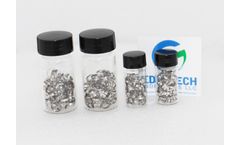
When it comes to interventional procedures, the ability to accurately and precisely target tissue structures has always been a challenge. However, in today's ever-evolving medical landscape, innovation is on the rise – one of which is platinum-iridium, marker bands. Built with advanced technology and customizable features, platinum-iridium marker bands are revolutionizing how physicians ...
Antibody-drug conjugates (ADCs) combine potent small-molecule drugs with monoclonal antibodies for targeted cancer therapy. A major challenge is loading enough drug onto each antibody without compromising solubility or circulation time. Introducing polyethylene glycol (PEG) linkers between the antibody and drug payload can address this. PEG is hydrophilic, biologically inert, and FDA‐recognized ...

Introduction PEGylation, the process of attaching polyethylene glycol (PEG) chains to therapeutic molecules, has become a cornerstone in pharmaceutical development. This technique improves the pharmacokinetic and pharmacodynamic properties of drugs, enhancing their stability, solubility, and circulation time while reducing immunogenicity. Since its first FDA-approved application in 1990 with ...

The combination therapy resulted in improved remission rates and overall survival compared to standard treatments, marking a significant advancement in the treatment of AML. ...

The Hidden Language of Glycans Imagine a vast molecular conversation happening within and between cells—where sugar-based structures act as sophisticated messengers carrying critical biological information. These complex carbohydrate structures, known as glycans, represent far more than simple decorative elements on proteins and lipids. They constitute an intricate "glycocode" that ...

The complex nature of cancer treatment highlights the critical requirement for therapies that show both effectiveness and precise targeting of tumor biology. The conventional treatment approaches fail to accurately target cancer cells, which results in numerous adverse effects while diminishing treatment success. FAP-targeted ...
Cancer treatment has witnessed transformative advancements over the past few decades, notably with the emergence of CAR-T (Chimeric Antigen Receptor T-cell) therapy. ...
This can be particularly beneficial for patients who may not be candidates for surgical biopsies due to their condition or for those whose tumors are difficult to access. By monitoring CTCs over time, clinicians can track tumor progression and treatment response, allowing for timely adjustments in therapy. CTC analysis using FISH can also ...
In recent years, the field of antibody drug design has become increasingly significant in the realm of therapeutic development, driven by the need for more effective and targeted treatments for various diseases, including cancer, autoimmune disorders, and infectious diseases. ...
The main focus of drug carrier research today is to identify carriers that are both safe and effective for clinical treatment applications. As treatment strategies advance researchers regularly update drug delivery systems. ...
The complex nature of cancer treatment today creates a rising need for more precise and tailored therapeutic methods. Traditional cancer treatments do not possess the necessary precision to target only cancer cells which leads to poor treatment results and harmful side effects. ...
These innovative therapeutic agents combine the targeting capabilities of antibodies with the cytotoxic effects of radioactive isotopes, providing a powerful strategy for precision cancer treatment. Understanding Radioactive Drug Conjugates Radioactive drug conjugates are engineered to deliver radiation directly to cancer cells while sparing healthy tissues. ...
Single-domain antibodies, also known as nanobodies or VHH antibodies, are a unique class of antibody fragments derived from the immune systems of camelids, such as llamas and alpacas. These small yet robust molecules present significant advantages in various applications, from therapeutics to diagnostics. This article explores the process of single-domain antibody production, its benefits, and ...
Target Selection: The initial step in ADC development is identifying an appropriate target. Tumor-associated antigens (TAAs) are typically selected based on their expression in cancer cells versus normal tissues. ...