
Uv Vis Articles & Analysis
15 articles found

Ultraviolet-Visible Spectroscopy (UV-Vis)(1) UV-Vis spectroscopy is a fast and convenient technique that can be used to analyze components in the medium that can absorb ultraviolet or visible light, such as certain vitamins and alkaloids.(2) This method is often used to determine the concentration and purity of samples.4. ...

The content of collagen can be accurately determined by comparing the chromatographic peaks of unknown samples with those of standard products with known concentrations.SpectroscopyUltraviolet-visible (UV-Vis) absorption spectroscopy can be used to measure the concentration of collagen, as proteins absorb ultraviolet light at specific wavelengths (such as 280nm). ...

Antibody-drug conjugates (ADCs) represent a groundbreaking class of therapeutics that combine the specificity of monoclonal antibodies (mAbs) with the potent cytotoxic effects of small-molecule drugs. This synergistic approach allows for targeted delivery of the cytotoxic agent to cancer cells while sparing healthy tissues, thereby reducing side effects and enhancing therapeutic efficacy. ADC ...

This temperature is called the denaturation temperature (Td), which is an important parameter for evaluating thermal stability.2. Ultraviolet-Visible (UV-Vis) Spectroscopy(1) PrincipleUV-Vis spectroscopy utilizes the absorption characteristics of proteins in the ultraviolet region (especially around 280 nm) to monitor structural changes.(2) ...

The determination of collagen molecular weight is a technique used to determine the molecular weight of collagen, a complex protein. Collagen is one of the richest proteins in animals, mainly found in the skin, bones, tendons and connective tissue. Due to its key role in cell structure and tissue regeneration, accurate determination of the molecular weight of collagen is of great significance to ...

Studying the distribution of DAR values helps to understand the overall fate of ADCs and provides a theoretical basis for ADC biotransformation in vivo. UV/VIS spectroscopy is widely used to determine antibody concentration and DAR value, but this method is a buffer system and cannot be applied to complex biological systems such as plasma/serum. ...
In addition, there are currently more studies on metal ion (Pt, Pd, Fe, Lu) catalyzed cleavage, UV/Vis and NIR light-sensitive linkers.Enzyme-mediated Cleavable LinkerAccording to the traditional mechanism of action of ADC, the enzyme-cleavable linker can be selectively cleaved inside the cell by transporting ADC to the lysosome, which contains a high ...
In this article, we provide an overview of the most widely used methods for the detailed analysis of DAR in these molecules. Ultraviolet-Visible (UV/Vis) Spectroscopy UV/Vis spectroscopy is a simple and convenient method to determine protein concentrations as well as the average number of drugs that are conjugated to the antibody ...
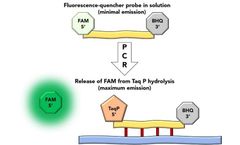
Further, the peak emission of approximately 520 nm is not optimum for ultra-sensitive detectors, with Si-photodiodes peaking further into the near-infrared (NIR) around 800 – 900 nm, photomultiplier tubes (PMTs) peaking further towards the ultra-violet (UV) around 400 nm. This beseeches the need for chemists and biologists to continue developing new generations of fluorescence ...

The research of atmospheric plasma’s use for medical treatments has gathered apace over recent years. Plasma comprises charged particles as well as a range of other active components that are thought to interact with the body to produce desired affects in plasma medicine such as; electric current, UV radiation and reactive gas species these components are thought to be able to act ...

Three different lots of a residual Ziegler-Natta catalyst slurry (bearing Ti and Mg) obtained from an industrial petrochemical plant were employed as sources for the photocatalyst supported on silica. The effect of additional magnesium (1.0–25.0 wt% Mg/SiO2) on the photocatalytic properties of the doped materials was investigated. Doping the titania-based photocatalyst with Mg results in a ...

Spherical particles of zinc oxide of 300–2000 nm in diameter were synthesised by soft solution reactions using zinc nitrate, ethylene glycol, sodium hydroxide and triethanolamine as starting materials. After dissolving these compounds in water, the solution was heated at 90°C for 1 h to form almost mono–dispersed spherical zinc oxide particles. The particle size changed depending ...

Studies concerning the impact of nanomaterials, especially fullerene (C60), in fresh water environments and their effects on the physiology of aquatic organisms are still scarce and conflicting. We aimed to assess in vitro effects of fullerene in brain and gill homogenates of carp Cyprinus carpio, evaluating redox parameters. A fullerene suspension was prepared by continued stirring under ...
Finally, we evaluated the specific interaction between the protoporphyrin and gold nanoparticles by the elemental analysis, atomic absorption and UV-vis spectrum. Transmission electron microscopic images reveal the spherical gold nanoparticles formation with the average size about 7 nm. ...
Twenty five-week old hens (n = 6) were administered with an oral dose of 75 mg of Oxytetracycline (OTC) hydrochloride per day per head for five consecutive days and its residues in eggs as well as breast, leg and liver tissues were analysed by a high-performance liquid chromatography-ultraviolet visible detection (HPLC-UV) technique. The highest OTC residue concentration in egg white (0.5944 µg ...