
Refine by
Vaccine Development Production Articles & Analysis
43 articles found

We built a more than 700,000-cubic-foot vaccine storage solution for a global manufacturer, during COVID-19 lockdown, on time and on budget. ...

This feature is particularly advantageous in vaccine development, where the aim is to elicit an immune reaction without exposing individuals to pathogenic viruses. ...

During the cold chain transportation of vaccines, serums, and biological products, 2-8℃ is a very suitable temperature. ...
The field of immunology has experienced significant advancements over recent years, particularly in the area of recombinant vaccine production. This innovative approach has revolutionized the way vaccines are developed, manufactured, and administered, offering a promising alternative to traditional methods. ...

Recombinant protein vaccines are vaccines produced using genetic engineering technology. The principle is to clone one or several antigen genes of a pathogen into host cells, causing them to express the corresponding antigen protein. These proteins are then extracted for use in the vaccine. These vaccines can effectively stimulate the immune system to respond to specific pathogens, thereby ...

The advent of mRNA vaccines has revolutionized the field of immunization, offering a rapid and adaptable response to emerging infectious diseases. Central to the production of these vaccines are enzymes, which play crucial roles in the synthesis and modification of mRNA molecules. This article delves into the pivotal functions of enzymes in mRNA vaccine manufacturing, highlighting their ...

Recombinant protein vaccine is a type of vaccine that does not contain complete pathogens and is prepared from specific protein antigens produced by heterologous expression systems. Due to their advantages of good safety, strong stability, and relatively low cost, recombinant protein vaccines have been widely favored by researchers in recent years. Currently, recombinant protein vaccines have ...

Custom mRNA production has emerged as a cutting-edge technology in the field of molecular biology, offering researchers the ability to tailor-make specific messenger RNA molecules for various applications such as vaccine development, gene therapy, and regenerative medicine. ...
Introduction RNA Lipid Nanoparticles (LNP) technology has rapidly gained prominence in the health and scientific domain, primarily due to its significant role in carrying the mRNA of the COVID-19 vaccines developed by Pfizer/BioNTech and Moderna. Yet, the potential of this technology spans beyond the confines of these vaccines or even the health ...
Adjuvants can help antigens induce long-term effective specific immune responses in vivo, leading to higher vaccine efficacy and prolonged protection from immune responses. Adjuvants can also reduce the amount of antigen used, the cost of production and the number of immunizations. ...

Glycerin, a versatile and widely used compound, finds its application in various industries, including pharmaceuticals. By understanding the multifaceted applications of glycerin in vaccine formulation, storage, and delivery, pharmaceutical manufacturers can optimize their vaccine production processes to ensure superior quality and effectiveness. Among the numerous components and additives ...

Besides the advantages in terms of specificity and safety, peptide vaccines offer clear cost and supply advantages by reducing production costs and delivery times.However, the development of vaccines based on these minimal sequences is not without challenges. ...
This article explores the intricate and indispensable role that raw enzymes play in the manufacturing of mRNA vaccines, delving deep into their significance and impact on vaccine production. ...

Due to the particularity of vaccines, vaccines need to be kept in a constant and suitable temperature environment during transportation and storage, and different vaccines require different environmental temperatures. Therefore, vaccines often need to be processed in the cold chain, and Temperature Humidity Recorders with quality certification are required to monitor and record the temperature of ...

These cells, used for in vitro virus cultivation, significantly impact the quality, yield, and safety of biological products, particularly vaccines. Various animal cell matrices, such as primary cells, passaged cells, and human diploid cells, are currently employed in the production of vaccines and other biologics. ...
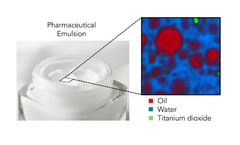
Welcome to Edinburgh Instruments’ monthly blog celebrating our work in Raman, Photoluminescence, and Fluorescence Lifetime Imaging. Every month we will highlight our pick for Map of the Month to show how our spectrometers can be used to reveal all the hidden secrets in your samples.JuneAn emulsion can be defined as a mixture in which a liquid, such as oil, is dispersed in small globules through ...

To fight these deadly infections, a pneumococcal vaccine is given to stimulate the production of antibodies against CPS. ...

The pandemic caused by the virus has unforeseen effects on the global economy and modern society, leading to a global race to find a suitable treatment and a preventive vaccine. SARS-CoV2 vaccine development A large number of companies operating in the vaccine field announced that they are working on a new COVID-19 ...
ByNuvonis
Vero cellsare a continuous adherent cell line that is frequently used in cell culture and plays an important role in worldwide vaccine and vector production (manufacturing). Unlike other mammalian cells, they do not secrete interferon alpha or beta when infected by viruses – this is one of the reasons that efficient replication of many ...
ByNuvonis
However, CEFs are not ideal for state-of-the-art vaccine production as it requires specific-pathogen-free (SPF) embryonated eggs in large numbers to generate a primary cell culture. ...
ByNuvonis