
Refine by
Vaccine Production Articles & Analysis
54 articles found

In the field of vaccine development, peptide vaccines, as an emerging vaccine platform, have gradually become the focus of research due to their advantages such as high safety, strong targeting, and customizability. ...

For a vaccine manufacturer contracted to fast-track production of COVID-19 vaccines, we designed and constructed a 700-square-foot Ultra-Low Temp storage ...
We built a more than 700,000-cubic-foot vaccine storage solution for a global manufacturer, during COVID-19 lockdown, on time and on budget. ...

The production of VLPs can be achieved through various methods, including recombinant DNA technology. ...
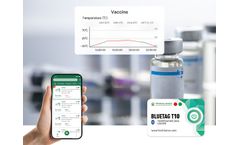
During the cold chain transportation of vaccines, serums, and biological products, 2-8℃ is a very suitable temperature. The vaccine Bluetooth temperature sensor provided by Freshliance has high accuracy. ...
The field of immunology has experienced significant advancements over recent years, particularly in the area of recombinant vaccine production. This innovative approach has revolutionized the way vaccines are developed, manufactured, and administered, offering a promising alternative to traditional methods. ...

These proteins are then extracted for use in the vaccine. These vaccines can effectively stimulate the immune system to respond to specific pathogens, thereby providing protective effects. Since the production of recombinant protein vaccines involves the growth and expression of proteins in host cells (such as E. coli, yeast, ...

Central to the production of these vaccines are enzymes, which play crucial roles in the synthesis and modification of mRNA molecules. ...

Recombinant protein vaccine is a type of vaccine that does not contain complete pathogens and is prepared from specific protein antigens produced by heterologous expression systems. ...
Furthermore, custom mRNA production holds immense potential in vaccine development, offering a rapid and adaptable approach to creating vaccines against infectious diseases. ...
This makes it possible to use these RNA-based therapeutics efficiently in various medical applications, as evident in the successful deployment in mRNA vaccines. Infusing Premade Products into RNA-LNP Technology The use of premade RNA-LNP products is a compelling journey towards the future of targeted gene therapy and vaccines. ...
Adjuvants can help antigens induce long-term effective specific immune responses in vivo, leading to higher vaccine efficacy and prolonged protection from immune responses. Adjuvants can also reduce the amount of antigen used, the cost of production and the number of immunizations. ...

By understanding the multifaceted applications of glycerin in vaccine formulation, storage, and delivery, pharmaceutical manufacturers can optimize their vaccine production processes to ensure superior quality and effectiveness. Among the numerous components and additives employed in vaccine production, glycerin ...

Besides the advantages in terms of specificity and safety, peptide vaccines offer clear cost and supply advantages by reducing production costs and delivery times.However, the development of vaccines based on these minimal sequences is not without challenges. ...
This article explores the intricate and indispensable role that raw enzymes play in the manufacturing of mRNA vaccines, delving deep into their significance and impact on vaccine production. ...

Due to the particularity of vaccines, vaccines need to be kept in a constant and suitable temperature environment during transportation and storage, and different vaccines require different environmental temperatures. Therefore, vaccines often need to be processed in the cold chain, and Temperature Humidity Recorders with quality certification are required to monitor and record the temperature of ...

Maintaining proper temperature conditions during production is critical to preserving the vaccine’s integrity. Storage and transportation After production, vaccines are stored in temperature-controlled medical devices, such as refrigerators and freezers, to maintain their stability. ...

As of January 1, 2023, global vaccine development includes a total of 966 vaccine candidates, of which 23% (220) are traditional inactivated or attenuated vaccines. ...

These cells, used for in vitro virus cultivation, significantly impact the quality, yield, and safety of biological products, particularly vaccines. Various animal cell matrices, such as primary cells, passaged cells, and human diploid cells, are currently employed in the production of vaccines and other biologics. ...
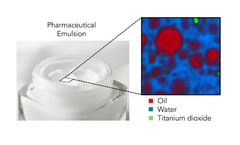
The pharmaceutical industry frequently uses emulsions in skincare products, cosmetics, vaccines, and medications. In medicine, emulsions can be used to increase the bioavailability of drug compounds that are insoluble in water, and they can cover the unpleasant taste of drugs that must be administered orally. Over-the-counter products such as ...