
Refine by
Vaccine That Stimulates The Production Articles & Analysis
43 articles found

We built a more than 700,000-cubic-foot vaccine storage solution for a global manufacturer, during COVID-19 lockdown, on time and on budget. ...

The production of VLPs can be achieved through various methods, including recombinant DNA technology. ...

The optimal storage environment temperature for most vaccines is 2-8℃. It is necessary not only to control the temperature stability but also to monitor the temperature. The 2-8℃ Vaccine Bluetooth Temperature Sensor can help managers view the storage environment temperature data directly on the APP without opening the incubator, thereby improving the efficiency of cold chain temperature ...
The field of immunology has experienced significant advancements over recent years, particularly in the area of recombinant vaccine production. This innovative approach has revolutionized the way vaccines are developed, manufactured, and administered, offering a promising alternative to traditional methods. ...

These proteins are then extracted for use in the vaccine. These vaccines can effectively stimulate the immune system to respond to specific pathogens, thereby providing protective effects. Since the production of recombinant protein vaccines involves the growth and expression of proteins in host cells (such as E. ...

The advent of mRNA vaccines has revolutionized the field of immunization, offering a rapid and adaptable response to emerging infectious diseases. Central to the production of these vaccines are enzymes, which play crucial roles in the synthesis and modification of mRNA molecules. This article delves into the pivotal functions of enzymes in mRNA vaccine manufacturing, highlighting their ...

Recombinant protein vaccine is a type of vaccine that does not contain complete pathogens and is prepared from specific protein antigens produced by heterologous expression systems. Due to their advantages of good safety, strong stability, and relatively low cost, recombinant protein vaccines have been widely favored by researchers in recent years. Currently, recombinant protein vaccines have ...

Furthermore, custom mRNA production holds immense potential in vaccine development, offering a rapid and adaptable approach to creating vaccines against infectious diseases. By designing custom mRNA vaccines to target specific proteins on viruses or bacteria, researchers can stimulate a swift and effective immune ...
Introduction RNA Lipid Nanoparticles (LNP) technology has rapidly gained prominence in the health and scientific domain, primarily due to its significant role in carrying the mRNA of the COVID-19 vaccines developed by Pfizer/BioNTech and Moderna. Yet, the potential of this technology spans beyond the confines of these vaccines or even the health industry. As research into premade RNA-LNP products ...
Adjuvants can help antigens induce long-term effective specific immune responses in vivo, leading to higher vaccine efficacy and prolonged protection from immune responses. Adjuvants can also reduce the amount of antigen used, the cost of production and the number of immunizations. ...

Glycerin, a versatile and widely used compound, finds its application in various industries, including pharmaceuticals. By understanding the multifaceted applications of glycerin in vaccine formulation, storage, and delivery, pharmaceutical manufacturers can optimize their vaccine production processes to ensure superior quality and effectiveness. Among the numerous components and additives ...

Introducing post-translational modifications to peptide vaccines may also further enhance their effectiveness.The Use of AdjuvantsAdjuvants are substances co-administered with vaccines to stimulate antigen presentation and enhance immune efficacy. ...
In the ever-evolving landscape of global healthcare, mRNA vaccines have emerged as an excellent tool in the fight against infectious diseases. This article explores the intricate and indispensable role that raw enzymes play in the manufacturing of mRNA vaccines, delving deep into their significance and impact on vaccine production. As we venture into this fascinating world, we will gain a ...

Due to the particularity of vaccines, vaccines need to be kept in a constant and suitable temperature environment during transportation and storage, and different vaccines require different environmental temperatures. Therefore, vaccines often need to be processed in the cold chain, and Temperature Humidity Recorders with quality certification are required to monitor and record the temperature of ...

Host Cell Residual DNA (rcDNA) refers to fragments of DNA derived from host cells that may be present in biological products. These products must not contain foreign substances, particularly host DNA, to avoid immune rejection and potential threats to life safety. Regulatory agencies worldwide have imposed strict limits on the amount of rcDNA, and various pharmacopoeias have outlined several ...
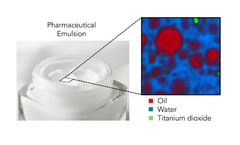
Welcome to Edinburgh Instruments’ monthly blog celebrating our work in Raman, Photoluminescence, and Fluorescence Lifetime Imaging. Every month we will highlight our pick for Map of the Month to show how our spectrometers can be used to reveal all the hidden secrets in your samples.JuneAn emulsion can be defined as a mixture in which a liquid, such as oil, is dispersed in small globules through ...

To fight these deadly infections, a pneumococcal vaccine is given to stimulate the production of antibodies against CPS. ...

At the end of the year 2019, a cluster of severe pneumonia of unknown cause was described in Wuhan (Eastern China) and a SARS-like acute respiratory distress syndrome (ARDS) was noted in these patients. Early in January 2020, sequencing revealed a novel coronavirus (now termed SARS-CoV-2) as the causal factor for the disease designated as COVID-19. The pandemic caused by the virus has unforeseen ...
ByNuvonis
Vero cellsare a continuous adherent cell line that is frequently used in cell culture and plays an important role in worldwide vaccine and vector production (manufacturing). Unlike other mammalian cells, they do not secrete interferon alpha or beta when infected by viruses – this is one of the reasons that efficient replication of many viruses can be achieved in Vero cells, ...
ByNuvonis
Newcastle disease is a highly infectious viral disease of the avian species. The causative agent is Newcastle disease virus (NDV), which belongs to the family of Paramyxoviridae. Many commercial vaccines, both live and inactivated, are available on the market and protect from NDV infection and disease. In addition, viral vectors based on Newcastle disease virus have been previously ...
ByNuvonis