
Refine by
Water Contamination Articles & Analysis
24 articles found
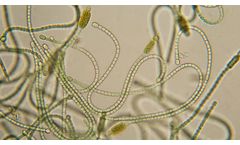
Cyanotoxins are toxic substances produced by cyanobacteria, or blue-green algae, which can proliferate in water bodies under conditions like high nutrient levels and warm temperatures. There are over 1,118 different cyanotoxins identified globally in freshwater environments across 66 countries, illustrating the widespread nature of this ...

These diseases can affect individuals coming into contact with contaminated water sources ...

Effective hand hygiene reduces the risk of meat contamination and the transmission of foodborne disease Clean hands are essential to health and effective handwashing is one of the simplest ways to prevent the spread of germs. Hand hygiene is particularly important in minimizing food safety risks along food animal chains, as there are many diseases that can be transmitted to humans from polluted ...

He was able to narrow the source to a sewage contaminated water pump on Broad Street. As science advanced, so too did testing of both water and wastewater. ...
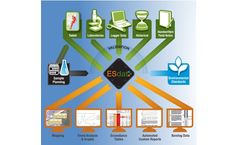
The method is used to assess the risk posed by soil contaminants to human health when people are exposed to contaminants. It, therefore, determines the concentration of chemicals in the soil and thus sets the levels which can be considered to be tolerable or acceptable. ...

The British government was called out to Turkey to check the hospital’s waste management sanitation and discovered it was built on a sewer; patients had been drinking contaminated water. After the water supply was flushed, the death rate plummeted. ...

Legionella bacteria can thrive in these low-flow zones. People who breathe in water vapor contaminated with Legionella are at risk of contracting Legionnaires’ disease, a severe pneumonia that kills 1 in 10 people infected. ...

But researchers say a new adsorbent membrane shows promise for purifying PPCP-contaminated water. Health Threats of PPCPs PPCP contamination has grown along with higher living standards and is now reaching detectable levels in surface water and groundwater worldwide. ...

Jayasumana provided Dr. Gunatilake with rice, drinking water, and urine samples that were subsequently analyzed in the lab. Results found that drinking water was contaminated with glyphosate and heavy metals, and that these compounds were making their way to workers kidneys. Evidence shows that glyphosate bonds with heavy metals like arsenic and ...

Tablet presses that are not well maintained can cause a multitude of problems, creating defective products that are mal-formed, contaminated or contain improper dosages. One of the most important steps to maintaining your tablet press is keeping it clean. ...
For critical cleaning applications it is best to use deionized or distilled water, as rinsing with ordinary water may introduce new contaminates. ...
It is very important to detect any traces of it and have it removed from your water as soon as possible. Detecting any potential arsenic contamination in your water can ensure that you have a fresh, trustworthy supply to drink from. ...
It is very important to detect any traces of it and have it removed from your water as soon as possible. Detecting any potential arsenic contamination in your water can ensure that you have a fresh, trustworthy supply to drink from. ...

In an emergency situation every second counts, and these features could make all the difference. Strip Screens and Water Sumps During decontamination, it is important to control surplus water. Chemical contaminants must be diluted to a ratio of 2,000 to 1 in order to be returned to the normal sewage system in accordance with UK fire service ...

Hundreds of waterborne disease outbreaks (WBDO) of acute gastroenteritis (AGI) due to contaminated tap water are reported in developed countries each year. Such outbreaks are probably under-detected. The aim of our study was to develop an integrated approach to detect and study clusters of AGI in geographical areas with homogeneous exposure to drinking ...

Because children have more delicate immune systems than adults, water contaminants pose a more serious threat to the young. Drinking only the highest quality water is one way that parents can contribute to keeping their children healthy, even before they are born. ...

Poor sanitation can contaminate drinking water, especially in rural areas. Unless properly dealt with, faeces and other human waste can pollute the soil and eventually wells, causing diseases such as diarrhoea. ...
Hepatitis E virus (HEV) is transmitted via the fecal–oral route and has been recognized as a common source of large waterborne outbreaks involving contaminated water in developing countries. Thus, there is the need to produce experimental data on the disinfection kinetics of HEV by chlorine in water samples with diverse levels of fecal ...
Surface water samples used for irrigation or domestic purposes, and water samples from the outflow of wastewater plants were collected from six provinces. ...
An estimated 1.1 billion persons worldwide lack access to an improved water source. Hundreds of millions more drink contaminated water from improved sources because of unsafe water treatment and distribution systems and unsafe water storage and ...