
Water Treatment Plant Articles & Analysis
6 articles found
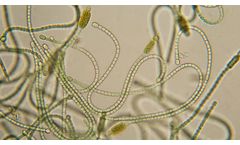
Cyanotoxins are toxic substances produced by cyanobacteria, or blue-green algae, which can proliferate in water bodies under conditions like high nutrient levels and warm temperatures. There are over 1,118 different cyanotoxins identified globally in freshwater environments across 66 countries, illustrating the widespread nature of this ...

The swift spread of the Coronavirus disease (COVID-19) across the globe has resulted in unexpected and at times, under planned for, impacts. In some countries, the outbreak has moved businesses to halt on-site operations and urged employees to work from home. The water industry, however, is quickly adapting to the new reality and leveraging remote capabilities to continue supplying clean and safe ...

They often act as environmental filters since they are located between fresh and salt water. The NOAA Ocean Service Education explained: One reason that estuaries are such productive ecosystems is that the water filtering through them brings in nutrients from the surrounding watershed [T]hat same water often brings with it all of the pollutants ...

In many coastal watersheds and ecosystems, rivers discharging to estuaries receive waters from domestic wastewater treatment plants resulting in the release and distribution of pharmaceuticals to the marine environment. ...

Concentrations of APIs in the waste water effluent from the institutions were measured to assess the correlation between consumption and emission and to determine the reliability of emissions predictions, and thereby to compare emissions from the different institutions and from households. ...
Pharmaceuticals and personal care products (PPCPs) are emerging contaminants that have been found ubiquitously in wastewater and surface waters around the world. A major source of these compounds is incomplete metabolism in humans and subsequent excretion in human waste, resulting in discharge into surface waters by wastewater treatment ...