
Brain Cell Articles & Analysis
16 articles found

Optogenetics has emerged as a transformative tool in the field of neuroscience, allowing researchers to manipulate neuronal activity with unprecedented precision. At the heart of this technology lies the use of adeno-associated viruses (AAVs), which serve as robust delivery vehicles for light-sensitive proteins into targeted neuronal populations. This article delves into the significance of ...

Human brain has approximately 171 billion cells, of which slightly more than half (approximately 86 billion) are nerve cells. These 86 billion nerve cells are a diverse cell population with hundreds of specialized types and functions, but all originate from three neural cell lineages--neurons, oligodendrocytes and astrocytes. All three cell lineages originate from a pool of neural stem and ...

Ongoing research and inventions in the field of oncology focus on the development of small molecule drug therapies for use in brain tumor resection. Small molecule drugs are being developed to target and effectively treat brain tumors to improve therapeutic outcomes. Small particles containing compounds that can enter cells and interact with specific targets to inhibit or modulate their ...

Stroke, also known as transient ischemic attack or cerebrovascular accident, is an acute brain disease. Usually, a sudden rupture of a blood vessel in the brain or a blockage of a blood vessel that prevents blood from flowing to the brain can cause damage to brain tissue, resulting in a stroke. Long-term strokes can lead to brain damage, disability and even death. The brain serves as a ...
Human brain has approximately 171 billion cells, of which slightly more than half (approximately 86 billion) are nerve cells. These 86 billion nerve cells are a diverse cell population with hundreds of specialized types and functions, but all originate from three neural cell lineages--neurons, oligodendrocytes, and astrocytes. All three cell lineages originate from a pool of neural stem and ...

Previously, it was thought that glial cells, which support neuronal activity, metabolize most of the glucose in the brain. However, by using induced pluripotent stem cells, the researchers found that neurons were able to take up glucose and process it into smaller metabolites. In mice, normal function of neurons depends on glycolysis. The findings could help develop new treatments for ...
When we feel uncomfortable, we tend to eat less, drink less, and exercise less. This is not unique to humans—most animals reduce these three behaviors when fighting infection. Recently, a new study pinpoints clusters of neurons that control these responses (uncomfortable behavior). By provoking immune responses in mice, the researchers demonstrated that specific cell populations in the ...

Scientists at the Scripps Research Institute have found that the immune protein CSF1 may cause anxiety during alcohol withdrawal. Some nuclei have the corticotropin-releasing factor receptor 1 crhr1 gene, and the glutamate transporter slc17a7 gene, but the glutamate decarboxylase gene gad2 does not, suggesting that they mainly constitute an excitatory population in the medial prefrontal cortex. ...

It is no secret that glucose, a form of sugar, is the main source of energy for every cell in our bodies, including our brain cells. Because the brain is packed with neurons, it uses more energy than any other organ in the body. Our brains reward us for consuming sugar. Whether you are eating a delicious meal, sharing a kiss with someone you love, or enjoying a sugary treat, the mesolimbic ...

Vitamin A: Helps body growth and tissue repair, helps with eye health, fights bacteria to avoid infection, protects epithelial tissue health, and promotes bone and tooth development. Vitamin B1: Promotes the metabolism of carbohydrates, maintains a healthy nervous system, stabilizes appetite, stimulates growth and maintains good muscle condition. Vitamin B2: Promotes the metabolism of ...

Close-up on chromatin modifications Despite recent advances in spatial transcriptomics to map gene expression, it has not be possible to determine the underlying epigenetic mechanisms controlling gene expression and tissue development with high spatial resolution. Denget al. report on a technique called spatial-CUT&Tag for genome-wide profiling of histone modifications pixel by pixel on ...
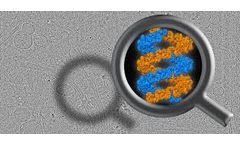
Australian researchers have recently solved a multi-year mystery about Parkinson's disease. They solved the structure of a key protein that is expected to rapidly treat this incurable disease. The findings appear in Nature. For the first time, the researchers took a "live" shot of a protein called PINK1. The findings explain how this protein is activated in cells, thereby initiating the ...

What are AAVs? and what makes them good candidates for gene therapy? Introduction In the first part of our three part series introducing AAV as a gene therapy vector, we talked about basic AAV vector biology. In this post, we’re going to take a step back to answer the question of “Why AAV?” and look at some opportunities in the AAV engineering space. Why AAV? Viral vectors ...

Is it possible to treat depression without medication or antidepressants? There is a simple answer to this question: Yes. Yes, it is. Most people don’t know that you can treat depression at home, medication-free. If they do, most people don’t know how. The fact is, you don’t need pills to reduce depressive symptoms or even to recover from depression. By making a few lifestyle ...

A fibre-optic probe can detect errant cancer cells within healthy tissue during brain tumour surgery with close to 100 per cent accuracy and sensitivity, reducing the risk of recurrence and thereby increasing a patient’s survival time, say the Canadian researchers who developed the device. The hand-held, pen-like instrument, known as a Raman spectroscopy probe, is able to differentiate ...

A few years ago, the “Berliner Charité” medical school discovered that in addition to its application as an anaesthetic, the inert gas Xenon can also be used to stop the degeneration of brain cells following a stroke. As are the other inert gases (Helium, Neon, Argon and Krypton), Xenon is found in and makes up part of the air. Krypton and Xenon, however, are found in ...