
- Home
- Articles
- netherlands
- inflammatory bowel
Refine by
Inflammatory Bowel Articles & Analysis
22 articles found

Chemokines and their receptors form one of the most intricate signaling networks in immunology. Among them, CCR1 (C-C chemokine receptor type 1) has attracted attention for its dual role as both a guardian of host defense and a potential driver of chronic inflammation and cancer progression. For researchers, CCR1 is more than a seven-transmembrane G protein–coupled receptor (GPCR)—it ...
The Triggering receptor expressed on myeloid cells 1 (TREM1) protein has emerged as a pivotal player in the intricate web of immunological responses, particularly in the context of inflammatory diseases. Unraveling the mysteries of TREM1 entails delving into its structure, function, and implications in various pathological conditions, shedding light on its potential as a therapeutic target. ...

Bile acids are synthesized in the liver from cholesterol as a raw material. As a natural "emulsifier", they can promote the dissolution, digestion and absorption of fats, fat-soluble vitamins, etc. Meanwhile, as an important signaling molecule, bile acids can activate the relevant receptors to maintain the homeostasis of hepatic glucose and lipid metabolism, and interact with gut bacteria to ...

In the vibrant realm of cellular biology and regenerative medicine, mesenchymal stem cells (MSCs) hold unparalleled potential for therapeutic applications. Particularly noteworthy are bone marrow mesenchymal stem cells (BM-MSCs), a subtype of MSCs. Their unique properties make them indispensable resources for developing ground-breaking solutions for various medical conditions. Mesenchymal stem ...

Classes of Cell-Penetrating Peptides There are many types of cell-penetrating peptides (CPPs), and their classification is based on physicochemical properties, sources, intake mechanisms, and biomedical applications. There is no unified conclusion yet. According to their physical and chemical properties, CPPs can be divided into three types: cationic, amphiphilic and hydrophobic, among which ...
Cytokines, small molecules with potent biological activity, are primarily synthesized by immune and non-immune cells (e.g., vascular endothelial cells, epidermal cells, fibroblasts) in response to stimulation. These signaling molecules form intricate networks that contribute to immune responses, inflammatory reactions, cell proliferation, and growth. Cytokine Dysregulation in Systemic Immune ...

Introduction to IL-36 Family Twenty years ago, Interleukin 36 (IL-36) was discovered as a member of the IL-1 superfamily. Its gene is located on chromosome 2 in an IL gene cluster, including IL1A - IL1B - IL37 - IL36G - IL36A - IL36B - IL36RN - IL38 - IL1RN, with IL-36 encoding genes transcribed far away from the centromere. There are four known subtypes of IL-36, which have been renamed multiple ...

Inflammation is a series of complex response events produced by the host system to pathogen infection and various tissue injuries. When the inflammatory response continues, it enters the stage of "uncontrollable inflammation", which plays an important role in the occurrence and development of complex diseases such as tumors. Therefore, the key molecular events in the process of ...

Diamine oxidase (DAO) is an intracellular enzyme that catalyzes diamine in mucosal or ciliated epithelial cells of the mammalian small intestine. It protects the intestinal mucosa by regulating intracellular ion homeostasis, influencing conduction pathways, and promoting cellular repair. Serum DAO is elevated in small intestinal mucosal barrier failure or in intestinal mucosal cell necrosis; ...
Cell-penetrating peptides (CPPs) are short peptides that facilitate cellular intake and uptake of molecules ranging from nano-size particles to small chemical compounds to large fragments of DNA. As a versatile peptide, CPP has been widely used for diagnostic and therapeutic applications. 1. Oligo and siRNA Transport As an important means for targeted therapy of specific genes, oligonucleotides ...
Researchers at The University of Texas MD Anderson Cancer Center have identified a new strategy to reduce immune-related adverse events by targeting immunotherapy with the cytokine interleukin-6 (IL-6). The study, published in Cancer Cell, provides evidence for the concept of combining immune checkpoint blockers and cytokine blockers to selectively inhibit inflammatory autoimmune responses. ...

On February 29 (or the last day of February) we celebrate World Rare Disease Day to raise awareness about these diseases, aiming to improve access to diagnosis, treatment and medical care. What are these diseases? Rare diseases are those that occur infrequently in the general population. In Argentina, “rare diseases” are those whose prevalence in the general population is equal to ...

Tumor Necrosis Factor Alpha (TNF-a) is a potent cytokine that is over-expressed by cells during chronic intestinal inflammation. Furthermore, TNF-a represents the most validated clinical target for ulcerative colitis (UC) and inflammatory bowel diseases (IBD) with multiple emerging neutralizing/inflammation-reducing therapeutics targeting this cytokine for inactivation. TNF-a activation of ...

Observational study with retrospective and prospective data collection, for total of 24 months. This is an IBD technology study investigating quantitative metrics for endoscopy, histology and radiology for improved diagnosis and assessment of ...
The maintenance of immune homeostasis involves a synergistic relationship between the host and the microbiome. Canonical interferon (IFN) signaling controls the response to acute microbial infection through the involvement of STAT1 transcription factors. However, the contribution of tonic levels of interferon to immune homeostasis in the absence of acute infection remains largely unexplored. The ...
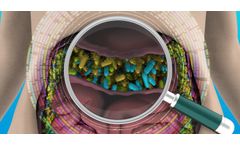
The gut is a complex ecosystem that contains an extremely large community of microbes known as the gut microbiome. The gut microbiome is made up of bacteria, archaea, viruses, fungi, and other eukaryotic microorganisms, including yeasts, flagellates, ciliates, and protozoa. The gut microbiota of a healthy individual consists of six phyla (Firmicutes, Bacteroidetes, Proteobacteria, ...
Advanced microphysiological systems can replicate aspects of intestinal complexity, such as epithelium self-renewal by stem cells in in vitro crypts or the interactions of microbes and intestinal epithelium mediated by a mucus layer. Availability of such models is key to progress in compound screening, disease modeling, and microbiome research. Defining a Niche A niche is a multidimensional ...

Abstract Gut microbiota play a major role in host physiology and immunity. Inflammatory bowel diseases (IBDs), the important immune-related diseases, can occur through immune system malfunction originating due to dysregulation of the gut microbiota. The aim of this study was to investigate the capabilities and mechanisms of Lactobacillus acidophilus (L. acidophilus) KBL402 and KBL409 treatment ...
The microbiome has been shown to play roles in many different disease processes and is implicated in many more, from infectious and gastrointestinal diseases to autoimmune and neurological disorders. Advanced models of the gut leveraging intestinal and colonic stem cells are enabling the development of more reliable and robust systems for evaluating the impact of changes in the microbiome on gut ...

Bio-Me is one of the participants in a new Nordic project that will develop personalized treatment for IBD patients. In December 2018, the Nordic Council’s research department awarded Nordfors 30 million for a research project with the theme of personalized medicine for inflammatory bowel disease (IBD). The study has been titled NORDTREAT – The Nordic IBD treatment strategy ...
ByBio-Me