
- Home
- Articles
- north america
- disease detection
Refine by
Disease Detection Articles & Analysis
47 articles found

As the new year begins, many people prioritize their health by scheduling annual physicals and medical check-ups. While these routine exams ensure overall well-being, few realize the crucial role that fluoropolymers play in modern medical technology. From diagnostic tools to life-saving devices, fluoropolymer materials contribute significantly to patient safety, hygiene, and the accuracy of ...

This approach is especially beneficial for investigating diseases with immune dysregulation, such as cancer, autoimmune disorders, or infectious diseases, where multiple cytokines orchestrate pathological processes. ...

As a result, lipidomic profiling of exosomes holds potential as a diagnostic tool for detecting cancer and monitoring treatment response. Moreover, lipidomic shifts can also reveal insights into metabolic conditions such as obesity, diabetes, and neurodegenerative diseases. ...

Protein phosphorylation plays a key role in regulating various biological processes within the cell, including signal transduction, cell cycle, and metabolism. Therefore, detecting protein phosphorylation levels is of great significance for studying cell functions and disease mechanisms.Methods1. ...

This increased degree of glycation may lead to changes in the function of collagen, thereby affecting the normal function and structural integrity of tissues.How to Detect Glycated Collagen?1. Mass Spectrometry AnalysisMass spectrometry technology can be used to identify and quantify the glycation sites of collagen. ...

Acetylation is a common post-translational modification of proteins, typically occurring on lysine residues of proteins, and plays a crucial role in regulating protein function, cell signaling, gene expression, and disease onset. For instance, the acetylation state of histones directly influences chromatin structure and the regulation of gene expression.Acetylation ...

In biomedical research, the detection and analysis of biomarkers are crucial. Among them, glycoproteins are an essential biomarker that plays a key role in many biological processes, including disease onset, progression, and treatment response. ...

Applications: Research: Mapping the architecture and alterations in the cytoskeleton in various diseases. Drug Discovery: Observing how pharmaceuticals affect cytoskeletal integrity. ...
Here are some key points about histone SUMOylation: 1. SUMOylation and Diseases Abnormal SUMOylation is associated with various diseases, including cancer, neurodegenerative diseases and cardiovascular diseases. Therefore, studying the SUMOylation of histones is crucial for understanding the molecular mechanisms of these ...

Mutation detection can be used to create molecular markers and a genetic polymorphism database, laying the groundwork for uncovering evolutionary relationships and identifying functional genes. ...
MMPs are involved in pathological processes such as hypertension, eclampsia, vascular inflammation, atherosclerosis, coronary syndromes and myocardial infarction, cerebral ischemia and ischemic stroke, peripheral arterial disease, aneurysms, chronic venous disease, etc. MMPs can be used as biomarkers and potential therapeutic targets for certain vascular ...
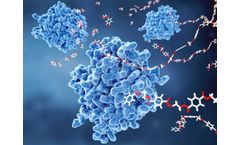
Beyond the kitchen, enzymes play a pivotal role in healthcare, enabling early disease detection and personalized treatments. Diagnostic enzymes empower healthcare professionals to pinpoint ailments accurately, while therapeutic enzymes serve as the architects of novel drugs, revolutionizing medical treatments. ...

Rare diseases, also known as orphan diseases, affect a small percentage of the population, making them particularly challenging to diagnose and treat. ...
However, recent advancements in diagnostics technology hold promise for speeding up the field of rare disease therapies. Rare disease diagnosis can often be a complex and time-consuming process. ...

The accurate and timely diagnosis of preeclampsia is critical in management of affected pregnancies to reduce maternal and fetal/neonatal morbidity and mortality, yet difficulties remain in establishing the rigorous diagnosis of preeclampsia based on clinical parameters alone. Biomarkers that detect biochemical disease have been proposed as complements or ...
Modern epigenetic features refer to the alteration of DNA and/or associated proteins without nucleotide sequence variance, which transmits the data contained to the next generation. It has been considered that diseases are generally influenced by obtained biological alterations, but it is becoming evident that any phenotype is the result of a complex interplay between genotype, ...
One notable example of BAM-associated disease is Crohn's disease. Inflammatory bowel conditions like Crohn's can disrupt the intestinal mucosa, leading to reduced bile acid reabsorption. ...
This makes them ideal for detecting diseases at their earliest stages, when they are most treatable. ...
With Luminex xMAP technology, various cytokines such as interleukin, interferon, tumor necrosis factor, colony-stimulating factor, chemokine, and growth factor can be detected. · Disease marker analysis Disease marker assays are important in the direction of basic research, early diagnosis, efficacy detection and ...

Oligonucleotide and siRNA delivery Peptide, protein and gene-based biomacromolecules play an important role in the treatment of many diseases. However, due to their large size and low lipophile characteristics, they cannot effectively cross the cell membrane, so the application of these biomacromolecules with therapeutic value in medical fields is greatly limited. ...