
- Home
- Articles
- north america
- immune stimulation
Immune Stimulation Articles & Analysis
28 articles found

The proteins used in VLP formation are often derived from the virus itself, ensuring that the resulting particles present the same epitopes that can trigger an immune response. This feature is particularly advantageous in vaccine development, where the aim is to elicit an immune reaction without exposing individuals to pathogenic viruses. ...
When administered, these antigens stimulate the immune system to recognize and combat the actual pathogen without causing disease. ...

By focusing on specific molecules or genes that contribute to cancer progression, they reduce collateral damage to healthy tissues. Immunotherapy APIs stimulate the body's immune system to recognize and attack cancer cells, providing a more natural avenue for treatment. ...

These vaccines can effectively stimulate the immune system to respond to specific pathogens, thereby providing protective effects. ...

Antigens are molecules or molecular structures that evoke an immune response when identified as foreign by the body's immune system. ...

Especially when the host's own tissues express target antigens, the phenomenon of immune tolerance may hinder the stimulation of effective immune responses, thereby increasing research difficulty. ...

Adjuvants work by stimulating the innate immune system, which can lead to a stronger and longer-lasting immune response. ...

CpG is a type of oligodeoxynucleotide that can be used as an immune adjuvant to stimulate the maturation and development of antigen-presenting cells. ...
Numerous studies have shown that antigens can bind to adjuvants and be released slowly at the injection site, continuously stimulating the immune system and enhancing the immune response. This is known as the deposit effect. ...

Chemokines: Chemokines are specialized cytokines that direct the migration of immune cells towards sites of infection or inflammation. They act as chemoattractants, guiding immune cells to the areas where they are needed most. ...

Among them, adjuvants play a crucial role in enhancing the immune response to vaccines, thereby increasing their effectiveness, notably as carriers, depots and stimulators of the immune response. Mechanism of Vaccine Adjuvants Vaccine excipients, including adjuvants, are added to vaccine formulations to enhance the immune ...

High concentrations of IL-17C can be detected in human psoriasis plaques. It can act as an autocrine stimulator of epithelial inflammation, especially when combined with TNF-α. ...
Activation of MAPK leads to transcription of inflammation genes regulated by AP-1 (activator protein-1), while phosphorylation of Ikβ α (a negative regulator of NF-κB) by Ikβ kinase leads to the translocation of NF-κB to the nucleus, aiding in the transcription of key inflammation genes, thus generating numerous inflammatory mediators and mediating inflammatory ...
A new study by scientists at Scripps Research shows that the anxiety that develops during abstinence from excessive drinking can lead to relapse, and that anxiety may be caused in part by the release of immune proteins in the brain. The findings, published online recently in Molecular Psychiatry, shed light on the molecular details of the brain's response to alcohol addicts and ...

Previous studies have also demonstrated that while currently licensed influenza vaccines administered by intramuscular injection generate tremendous antibody responses, only intranasal M2SR stimulates mucosal and cellular immunity as well as serum antibodies. “Combination therapy is used to combat many diseases including cancer, tuberculosis, and HIV, yet ...

These mutations are designed to weaken the virus, limiting its ability to cause infection while retaining its ability to sufficiently stimulate the body's immune system to elicit an effective and amplified response to combat infection. Unfortunately, ICP0 also aids the virus in evading the immune system's protective defenses, namely the ...
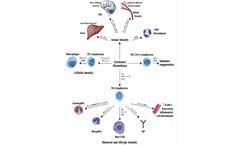
Cytokines are a class of small molecule proteins secreted by cells that mediate and regulate immune processes, and they act in an autocrine, paracrine and endocrine manner. ...
Using the power of large data and advanced computational methods, researchers can identify peptides on the surface of tumor cells and can target "peptide-centric" chimeric antigen receptors (PC-CARs): a new design of T cells that stimulates the immune response to eliminate tumors. The findings, published in Nature, open the door to the treatment of a wider ...

Natural killer (NK) cells are a distinct lineage of lymphocytes that mediate cytotoxic activity and secrete cytokines upon immune stimulation. CD94 (Group of Differentiation 94), also known as Killer cell lectin-like receptor subfamily D member 1 (KLRD1), is expressed on the surface of natural killer cells in the innate immune system. ...
There are three key points in the research and development of RNA drugs: First, the immunogenicity of RNA drugs: because exogenous RNA will be recognized by the immune system as the signal of virus interference, RNA drugs will more or less stimulate the immune system, and then cause a series of side effects. ...