
- Home
- Articles
- north america
- protective immunity
Refine by
Protective Immunity Articles & Analysis
26 articles found

Unlike receptors with highly selective ligand pools, CCR1’s redundancy ensures robustness of immune response but complicates therapeutic targeting. Blocking CCR1 can blunt harmful inflammation but risks impairing protective immunity. ...

FcRn is widely involved in various biological and immune processes in the body, playing roles in immune protection, maintaining the stability of IgG, transmembrane transport, and mother-infant transmission. ...

Antibodies are an essential part of our immune system, capable of recognizing foreign molecules (antigens) and helping to eliminate them. ...

Drug antibody testing is a laboratory testing method specifically designed to evaluate the immune response of the human body to certain drugs. This test is commonly used to monitor a patient's immune response to biological agents or other drugs, especially in the treatment of chronic diseases such as autoimmune diseases, certain cancers, and inflammatory ...

Why a New Vaccine? Despite widespread immunization campaigns, polio has proven a tenacious adversary. The disease, which primarily affects young children, can lead to irreversible paralysis and even death. ...

Adjuvants can help antigens induce long-term effective specific immune responses in vivo, leading to higher vaccine efficacy and prolonged protection from immune responses. ...

Relationship Between Immunity, Inflammation and Cancer Immunity is an act of self-protection of the body. The immune response is divided into specific and non-specific. The antigen and antibody responses are generally referred to as specific immune responses, which require the participation of B cells and T ...
Under normal circumstances the immune system of the body fights against any infection and helps the body to remain healthy. ...

Mechanism of Vaccine Adjuvants Vaccine excipients, including adjuvants, are added to vaccine formulations to enhance the immune response by providing necessary signals to the immune system. Adjuvants can stimulate the innate immune system, improving the recognition of antigens and promoting a more robust adaptive immune response. ...

Here, using a genetic timestamping system in mice, we show that persistent PCs accrue in bone marrow at an approximately constant rate of one cell per hour over a period spanning several weeks after a single immunization with a model antigen. Affinity-based selection was evident in persisting PCs, reflecting a relative and dynamic rather than absolute affinity threshold as ...

Attenuated vaccines have become one of the important development directions due to their potential advantages in terms of immune effects, for example, attenuated influenza vaccines can be inoculated by intranasal spray that is simpler, economical, painless, and consistent with the natural route of infection; they can retain the natural structure of all or most antigens of the ...

As a result, multiple injections of islets are required, and the success rate of the Edmonton Protocol after 5 years is only 25%–50%. To protect transplanted islets from immune recognition, microencapsulation is commonly used,27,28 wherein isletembedded microcapsules are implanted either subcutaneously or intraperitoneally.29–32 While each individual ...

Unfortunately, ICP0 also aids the virus in evading the immune system's protective defenses, namely the interferon-mediated response. ...

As countries worldwide start relaxing rules and lifting coronavirus restrictions, including wearing face masks in public, people with a weakened immune system may still need to protect themselves against airborne viruses and benefit from cleaner, purified air. ...

Self-amplifying RNA vaccines may induce equivalent or more potent immune responses at lower doses compared to non-repli- cating mRNA vaccines via amplified antigen expression. ...
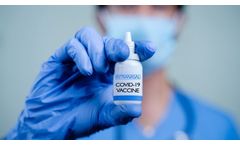
While the existing intramuscular vaccines on the market today generally have only humoral and cellular immunity, the vaccine given in the arm produces antibodies in the blood, but few antibodies reach our nasopharyngeal mucosa, which, together with the gradual decline in the level of neutralizing antibodies in the body after vaccination, means a weakening of the ...

At sites of injury or inflammation, fibrin often plays a protective role, helping to form blood clots and activate immune cells to fight infection. ...
ByMatexcel

“The M2SR vaccine candidate is designed to induce a broad, multi-effector immune response, and this study demonstrated that subjects with vaccine-induced neutralizing antibodies were protected against infection and illness following challenge with an antigenically drifted virus. ...

Every year, millions of people are vaccinated to strengthen their immunity and protect themselves from infectious diseases. According to the regulations of the World Health Organization (WHO), vaccination is an approved tool for dealing with deadly contagious diseases that kill 3 million people worldwide. ...
ByAKCP
VC2 vaccination in mice produced superior protection and morbidity control in comparison to its parental strain HSV-1 (F). ...