


Brooklyn ImmunoTherapeutics (BTX) products
Human Cell-Derived IL-2 Therapeutic
IRX-2 is an allogeneic, reproducible, primary, human cell-derived IL-2 therapeutic with multiple active cytokine components that act on various parts of the immune system, to activate the entire tumor microenvironment. In addition to IL-2, IRX-2 contains multiple human cytokines that promote or enhance an immune response. IRX-2 is administered as a subcutaneous injection around lymph node beds.
Cellular Engineering - Programs

Mesenchymal Stem/Stromal Cells (Msc)
Mesenchymal stem/stromal cells (MSC) have undergone extensive clinical testing for many diseases and have consistently demonstrated safety. In addition, the immunomodulatory properties of MSC have been well characterized. However, adult-tissue-derived MSC have shown inconsistent therapeutic efficacy, significant variability among samples, and limited proliferative capacity. On the other hand, MSC derived from iPSCs (iMSC) offer a near limitless supply of cells due to their superior expansion potential. Our data shows improved therapeutic properties and greater consistency of iMSC relative to adult-derived MSC.
Gene Edited iMSC
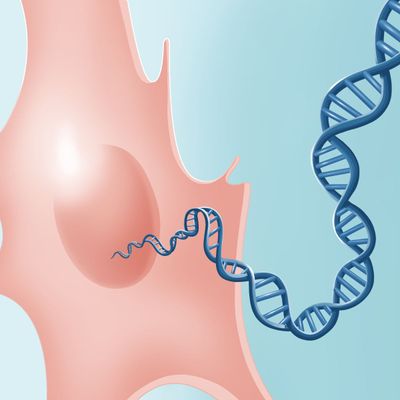
Utilizing highly efficient mRNA-based gene editing, Brooklyn will precisely engineer changes in the genome of iPSC, followed by a thorough characterization of the new cell line. The gene-edited iPSC will then be used to produce iMSC that have been endowed with beneficial properties to broaden and enhance therapeutic uses. Our first gene-edited iMSC product will be used as a cancer immunotherapeutic, taking advantage of the tumor homing properties of MSC and engineering the cells to deliver immune-stimulating proteins to enhance the immune system’s killing of cancer cells.

In Vivo Gene Editing
The foundational technology of synthetic mRNA, precise gene-editing machinery, and non-viral delivery also enable the development of genetic medicines with curative potential for multiple disease states. Brooklyn is developing products designed to edit a patient’s genome inside their body and address diseases with clear genetic causation.
Cellular Engineering Technology

Gene Editing
Our partners at Factor Bioscience have developed a technology that uses mRNA to express gene-editing proteins. This technology can enable dramatically higher efficiency gene editing, including in primary cells, than other approaches, without using viruses or DNA-based vectors that may cause unwanted mutagenesis. We can use this technology to inactivate one or more genes and/or insert a donor sequence into a genomic safe harbor locus, enabling controlled expression of an exogenous gene.