


Brooklyn ImmunoTherapeutics (BTX) products
Cellular Engineering Technology
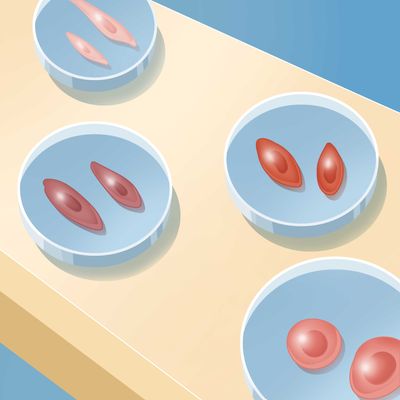
Cellular Reprogramming
Cellular reprogramming refers to the process of transforming patient skin cells into pluripotent stem cells, called induced pluripotent stem cells (iPSC). Since 2012 Nobel Prize Winner Dr. Shinya Yamanaka`s initial discovery of iPSC in 2006, iPSC availability has transformed the field of cell therapy. Brooklyn uses the fastest, highest-efficiency method for generating iPSC – a key invention now recognized by numerous patents. The patented methods can transform patient skin cells into stem cells more rapidly, efficiently, and safely than previous techniques.

Synthetic mRNA
Messenger RNA (“mRNA”) is a special class of molecules containing instructions that determine how cells function. Brooklyn’s platform is being designed to harness mRNA to engineer cells to treat disease by repairing disease-causing mutations and directing the formation of stem cells. Expressing reprogramming proteins by repeated transfection with protein-encoding RNA could avoid the limitations of both DNA and protein-based reprogramming techniques. However, transfection with long, in vitro-transcribed RNA triggers a potent innate immune response in human cells, even when the RNA is capped and polyadenylated to mimic eukaryotic mRNA. To address this problem, researchers have discovered methods of suppressing innate immunity, which enable frequent transfection with protein-encoding RNA.
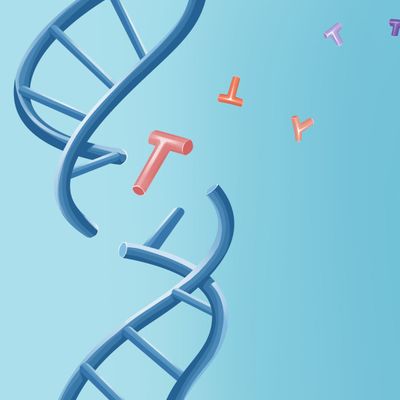
Gene Editing
Our partners at Factor Bioscience have developed a technology that uses mRNA to express gene-editing proteins. This technology can enable dramatically higher efficiency gene editing, including in primary cells, than other approaches, without using viruses or DNA-based vectors that may cause unwanted mutagenesis. We can use this technology to inactivate one or more genes and/or insert a donor sequence into a genomic safe harbor locus, enabling controlled expression of an exogenous gene.