Refine by
Asbestos Articles & Analysis
97 news found
The Centers for Disease Control and Prevention (CDC) reports that Group A Streptococcus (group A strep bacteria) can cause many different infections, ranging from minor to serious. The agency also warns the bacteria, of which Streptococcus pyogenes is the predominant species, can cause inflammatory diseases. Examples of minor infections listed include impetigo, scarlet fever, and strep throat. ...
The Centers for Disease Control and Prevention (CDC) reports there are an estimated 450,000 cases of shigellosis, an infection caused by Shigella bacteria, in the United States each year. Unfortunately, a growing number of these infections involve drug-resistant Shigella. The four species of Shigella listed by the CDC include: Shigella sonnei (the most common species in the United States) ...
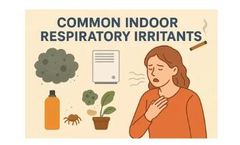
Aeroallergens, which are airborne substances such as mold or pollen that can trigger an allergic reaction in some people following inhalation or dermal contact, are often found in dust. In some asthmatics, aeroallergens could trigger an asthma attack, or potentially worsen other respiratory diseases. When dust is airborne, it can remain in the air for long periods of time and settle throughout ...
The U.S. Bureau of Labor Statistics (BLS) recently published its annual National Census of Fatal Occupational Injuries that covers 2023. Tragically, there were 5,283 fatal work injuries recorded in the United States that year. The good news is that is a 3.7% decrease from the 5,486 in 2022. Key findings from the 2023 National Census of Fatal Occupational Injuries include: A worker died every 99 ...
Exposure to airborne carcinogens can be an occupational hazard for countless workers if the proper health and safety regulations are not being followed. Some of these same carcinogens could even be an exposure risk for anyone entering a building or worksite. In the United States, the Centers for Disease Control and Prevention (CDC) reports that more men and women die in this country from lung ...
International Infection Prevention Week (IIPW) has been championed by the Association for Professionals in Infection Control and Epidemiology since 1986. The annual event highlights the importance of infection prevention professionals and their efforts and control practices. These are crucial tasks as the Centers for Disease Control and Prevention (CDC) reports that on any given day, about 1 in ...
The Centers for Disease Control and Prevention describe Methicillin-resistant Staphylococcus aureus (MRSA) as a type of staph that can be resistant to several antibiotics. The agency warns that anyone can get a MRSA infection or carry MRSA. The risks increase for people with hospitalizations or nursing home stays, skin-to-skin contact with others, and exposure to crowded and unhygienic places. ...
A recent survey found that close to 50% of households in Puerto Rico have at least one pet. For many, their pet is a part of the family, but unfortunately, many homes with pets also suffer from indoor environmental quality (IEQ) issues associated with pet odors and allergens. Both furry pets and those with feathers can cause an allergic reaction in some people. Pet dander is a significant ...
One of the largest cruise line operators recently issued a letter to passengers that had sailed on one of their ships after learning that two prior passengers had a Legionella diagnosis. The letter was reportedly sent out of an ‘abundance of caution’ as the two individuals were not diagnosed onboard. During the time of the two illnesses, the ship in question was based in Florida with ...
The Centers for Disease Control and Prevention (CDC) describes Klebsiella as a type of gram-negative bacteria that can cause different types of healthcare-associated infections (HAIs). These include pneumonia, bloodstream infections, wound or surgical site infections, and meningitis. The agency warns Klebsiella bacteria have increasingly developed antimicrobial resistance, most recently to the ...
The International Agency for Research on Cancer reports that as recently as 2020, there were over 13,000 new cases of cancer in Puerto Rico. Tragically, there were also more than 5,500 deaths due to cancer in Puerto Rico that year alone. The American Association for Cancer Research has reported that more than 40% of all diagnosed cancers in the U.S. can be attributed to preventable causes. ...
Acinetobacter is described by the Centers for Disease Control and Prevention (CDC) as a group of bacteria commonly found in the environment in places like soil and water. While there are many types, the most frequent cause of infections in humans is known as Acinetobacter baumannii. Infections of the blood, urinary tract and lungs, or in wounds in other parts of the body can all be caused by ...
Mucormycetes are a group of fungi that can cause a rare but serious fungal infection known as mucormycosis. Mucor species and Rhizopus species are some of the most common causes of mucormycosis, but there are also other species. The fungi typically live in soil and decaying organic matter. Mucormycosis is frequently a life-threatening infection and is treated with prescription antifungal ...
Histoplasmosis is the name of an infection caused by a fungus known as Histoplasma capsulatum. The fungus lives in the environment, particularly in soil or other materials that contain large amounts of bird or bat droppings. Outbreaks of histoplasmosis have been recorded in Puerto Rico, as well as in the Dominican Republic and other parts of the Caribbean. The Centers for Disease Control and ...
A potentially life-threatening condition known as aspergillosis is caused by a fungal pathogen named Aspergillus. It is a common type mold that can often be found outdoors and in indoor environments that have suffered water damage or elevated humidity levels. Fortunately, most healthy people breathe Aspergillus spores without infection concerns. However, some species are known to be a serious ...
Staphylococcus aureus is a type of bacteria that has long been recognized as a cause of disease. Frequently referred to as staph, it is commonly found on the skin and hair, as well as in the nose and throat of people and animals. The Centers for Disease Control and Prevention (CDC) even reports that about 30% of people carry Staphylococcus aureus in their nose. Most of the time, staph does not ...
While cancer mortality has gradually declined over the past several decades in Puerto Rico, there are still more than 10,000 new cases of cancer and over 5,000 deaths each year on the islands. Nationwide, the National Cancer Institute estimates there were over 1,918,000 new cases of cancer diagnosed in 2022 and more than 609,000 people died from cancer that year alone. There are over 100 types ...
There are many known asthma triggers, but one of the more common ones is exposure to elevated levels of mold. This information is important for asthmatics, especially those living in Puerto Rico which has some of the highest asthma rates in the United States. Across the entire country, asthma caused 5.8 million physician office visits and 1.6 million emergency department visits as recently as ...
Chronic obstructive pulmonary disease (COPD), which includes emphysema and chronic bronchitis, makes breathing difficult for millions of Americans who have been diagnosed with the condition. The Centers for Disease Control and Prevention (CDC) reports that millions more suffer from the respiratory disease, but have not been diagnosed or treated. In Puerto Rico and throughout the rest of the ...
October is recognized as Children’s Health Month by the U.S. Environmental Protection Agency (EPA), Centers for Disease Control and Prevention (CDC), and other agencies and organizations. CDC reports that from their earliest stages of development through puberty, children are particularly vulnerable to exposure to environmental contaminants because their bodies are small and still ...