
Refine by
Disease Control Articles & Analysis
334 news found

An international survey from Ferring, Fertility Matters at Work and This Can Happen reveals a significant gap exists between employees and employers in recognising the experience of undergoing fertility treatment1 Nearly all employees say fertility treatment impacts their mental health, yet only one third feel supported by their employer’s fertility policies1 Around the world, ...
The Centers for Disease Control and Prevention describe Methicillin-resistant Staphylococcus aureus (MRSA) as a type of staph that can be resistant to several antibiotics. ...

The Centers for Disease Control and Prevention (CDC) reports that Group A Streptococcus (group A strep bacteria) can cause many different infections, ranging from minor to serious. The agency also warns the bacteria, of which Streptococcus pyogenes is the predominant species, can cause inflammatory diseases. Examples of minor infections listed ...

The Centers for Disease Control and Prevention (CDC) reports there are an estimated 450,000 cases of shigellosis, an infection caused by Shigella bacteria, in the United States each year. ...
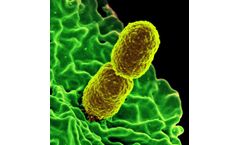
Klebsiella is described by the Centers for Disease Control and Prevention (CDC) as a type of gram-negative bacteria that can cause different types of healthcare-associated infections (HAIs). ...

The month of May is dedicated to asthma control and education to increase awareness about the disease and how those with it can prevent or mitigate exposures to asthma triggers, allergens, and respiratory irritants. Asthma is one of the most common lifelong chronic diseases in Puerto Rico and across the rest of the United States, according to ...

Pulmonary arterial hypertension (PAH) is a progressive, life-threatening condition characterized by increased pulmonary arterial pressure, vascular remodeling, and persistent inflammation. Despite advances in treatment, current therapies—such as sildenafil, iloprost, and riociguat—primarily focus on reducing symptoms by dilating blood vessels. Unfortunately, these therapies do ...

In the United States, the Centers for Disease Control and Prevention (CDC) reports that more men and women die in this country from lung cancer than from any other type of cancer. ...

International Infection Prevention Week (IIPW) has been championed by the Association for Professionals in Infection Control and Epidemiology since 1986. The annual event highlights the importance of infection prevention professionals and their efforts and control practices. These are crucial tasks as the Centers for Disease ...
A Centers for Disease Control and Prevention (CDC) report published on October 3, 2024, linked Burkholderia multivorans infections to ice machines in multiple healthcare facilities in the western United States. ...
The Association for Professionals in Infection Control and Epidemiology (APIC) has championed International Infection Prevention Week since 1986. ...

The Centers for Disease Control and Prevention describe Methicillin-resistant Staphylococcus aureus (MRSA) as a type of staph that can be resistant to several antibiotics. ...
“Infection prevention professionals and their prevention efforts and control practices are crucial tasks as the Centers for Disease Control and Prevention reports that on any given day, about 1 in 31 patients receiving care in a hospital has at least one healthcare-associated infection. ...

Fungal Disease Awareness Week (FDAW) takes place from September 16th through the 20th. FDAW was created by the Centers for Disease Control and Prevention (CDC) to focus attention on the importance of recognizing, treating, and preventing serious fungal diseases. Fungal diseases are increasing worldwide, and ...

In May, the Centers for Disease Control and Prevention (CDC) announced the release of new guidance for preventing the spread of infections in K-12 schools. ...

The Centers for Disease Control and Prevention (CDC) recently released new guidance for preventing the spread of infections in K-12 schools. ...
Their newest production discusses recently released guidance from the Centers for Disease Control and Prevention (CDC) about preventing the spread of infections in K-12 schools. ...

Acinetobacter is described by the Centers for Disease Control and Prevention (CDC) as a group of bacteria commonly found in the environment. ...

The Centers for Disease Control and Prevention (CDC) reports that almost 19% of children, and just over 25% of adults, have a seasonal allergy. ...

Two of the most common IMIs include invasive aspergillosis and invasive mucormycosis. The Centers for Disease Control and Prevention (CDC) warns that IMIs can occur days to weeks after exposure to fungi that live in the environment. ...