
Refine by
Hand Soaps For Hand Hygiene Articles & Analysis
23 news found
The Centers for Disease Control and Prevention describe Methicillin-resistant Staphylococcus aureus (MRSA) as a type of staph that can be resistant to several antibiotics. The agency cautions that anyone can get a MRSA infection or carry MRSA. The risks increase for those with hospitalizations or nursing home stays, skin-to-skin contact with others, and exposure to crowded or unhygienic places. ...

Klebsiella is described by the Centers for Disease Control and Prevention (CDC) as a type of gram-negative bacteria that can cause different types of healthcare-associated infections (HAIs). These include pneumonia, bloodstream infections, wound or surgical site infections, and meningitis. Klebsiella are normally found in the human intestines (where they do not cause disease), and also in human ...
Acinetobacter is described by the Centers for Disease Control and Prevention (CDC) as a group of bacteria commonly found in the environment. While there are many types, the most frequent cause of infections in humans is Acinetobacter baumannii. Infections of the blood, urinary tract, and lungs, or in wounds in other parts of the body can all be caused by Acinetobacter baumannii. It can also ...

An article published last year in Emerging Infectious Diseases detailed a notable increase of carbapenem-resistant Klebsiella pneumoniae (CRKP) infections in New York City during 2021 through June of 2022. The data for the study came from a large public healthcare system in New York City that serves more than 1.2 million people each year. The Centers for Disease Control and Prevention (CDC) ...

The Centers for Disease Control and Prevention describe Acinetobacter as a group of bacteria commonly found in the environment in places like soil and water. While there are many types, the most frequent cause of infections in humans is known as Acinetobacter baumannii. Those most at risk of infection according to the CDC include patients in hospitals, especially those who: · are ...

Acinetobacter is described by the Centers for Disease Control and Prevention (CDC) as a group of bacteria commonly found in the environment in places like soil and water. While there are many types, the most frequent cause of infections in humans is known as Acinetobacter baumannii. Infections of the blood, urinary tract and lungs, or in wounds in other parts of the body can all be caused by ...
Staff absences are a problem for any employer, but are particularly challenging in hospitals and other healthcare settings. Unplanned staff absences can leave supervisors struggling to fill shifts and overwork employees who have to cover for their peers. These drops in productivity or gaps in care can put patients at risk. To combat employee absenteeism and its effects, hospitals need to ...
ByBioVigil
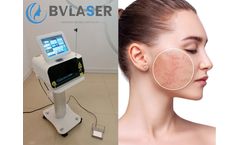
980mm diode laser is a laser beauty device for vascular removal. It has no side effects on normal skin and does not require hospitalization. The operation process is relatively simple, the safety is relatively high, the recovery is relatively fast, and there will be no scars. It is recommended to do surgery. It is best to go to a local regular plastic surgery hospital and choose a doctor with ...
When most people think of hospital data, they think of data that relates directly to the patients: demographics, diagnosis, lengths of stay, etc. This information is relatively easy to collect, and it is useful when providing treatment and looking at overall trends for care. Other hospital data can be more challenging to gather accurately, but is critical to answering important questions that ...
ByBioVigil
Patient satisfaction is critical to the success of hospitals and other healthcare settings. Providers that consistently fail to meet patients’ satisfaction risk damaging their reputation in the community, and patient satisfaction tied to valid health and safety concerns — such as staff not following hand hygiene best practices — can lead to costly healthcare-associated ...
ByBioVigil
Contact tracing is an important strategy for controlling disease. Hospitals that can quickly identify who was exposed, where they went, and who they interacted with can cut down on transmission and significantly slow the spread of costly infections. Unfortunately, many hospitals and healthcare settings still rely on manual efforts to contact trace, which can be time-intensive and prone to error. ...
ByBioVigil
Staph bacteria are commonly carried on the skin or in the nose of healthy people. It can sometimes cause infections and is one of the most common causes of skin infections in the United States. Most of these skin infections are minor. But, with methicillin-resistant Staphylococcus aureus (MRSA), a strain of staph that is resistant to a commonly prescribed antibiotic known as methicillin and is ...

Hand-washing is the first line of defense against the COVID-19 pandemic. According to Maggie Montgomery of the World Health Organization’s Office of Water, Sanitation, and Hygiene (WASH), “Fundamentally, hand hygiene is the number one means of ...

During the rapid demand peak for isolation rooms and effective air decontamination to fight COVID-19, a large amount of hospitals worldwide have learned that the most effective way to decontaminate air is with advanced electric decontamination. Implementing safety measures on all important fronts is crucial for the safety of hospital staff and patients. Increased cleaning, hand hygiene, usage ...

After new expansion Al Adan Hospital will be one of the largest in the Middle East area, almost doubling in size to approx. 500.000 m2. The automatic waste and linen transfer system installed is latest healthcare technology from Ecosir Group. Succeeding in an international tender process is a great achievement for us and for Finnish healthcare technology exports, says Ecosir Group’s CEO ...

If someone is admitted to hospital with an infectious disease there is always a risk that disease can spread. MRSA and viruses like it can, if left unchecked, infect entire hospital wards at an alarming rate leaving those recovering from other conditions or operations weak and vulnerable. Because hospitals can’t ever be closed environments, controlling the flow of potentially harmful ...
ByDDC
Global Handwashing Day is an international campaign to promote hygiene and good sanitation. The day highlights the importance that simply washing hands with soap is the most effective and affordable way to prevent diseases and save lives. ...
In Ebola-affected countries, like Sierra Leone, the lack of running water can make hand hygiene a challenge. Hand hygiene is so important in public health that 5 May every year is marked as Hand Hygiene Day. Dr Komba Songu-Mbriwa is a doctor on the frontlines of the Ebola fight in Sierra Leone who also knows the challenges of the disease firsthand. He is an Ebola survivor. But today, he says his ...

In October, the Columbia University School of Nursing published a news release about a study that found rising infection rates at nursing homes across the country. After examining infections in nursing homes in the United States over a 5 year period, the study concluded that rates of a variety of infections are increasing, including those caused by multiple drug-resistant organisms (MDROs). ...
Last month, the Columbia University School of Nursing published a news release about a study that found rising infection rates at nursing homes across the country. After examining infections in nursing homes in the United States over a 5 year period, the study concluded that rates of a variety of infections are increasing, including those caused by multiple drug-resistant organisms (MDROs). ...