
Immune Recognition Articles & Analysis
7 news found
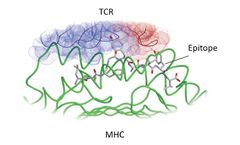
Epitope mapping is a fundamental tool in immunology and molecular biology, used to pinpoint the characterizing monoclonal antibodies, guiding vaccine formulation, and understanding immune recognition. It also plays a key role in optimizing antibody affinity, minimizing cross-reactivity, and evaluating the functional impact of epitope location on therapeutic ...

“With the proteolytic shedding of the α1 and α2 domains of MICA/B being recognized as a common tumor escape mechanism, we are encouraged that our novel CAR design, which uniquely targets the α3 domain of MICA/B, has shown the potential to overcome shedding and restore NK and T cell-mediated tumor immunity. We look forward to treating patients with FT536 as ...

For example, some patients with small cell lung cancer, gastric/gastroesophageal junction cancer, biliary tract cancer and triple-negative breast cancer are resistant to conventional checkpoint inhibitor monotherapy, as their low immune infiltrates or lack of antigen recognition prevent them from properly respond to the therapy. ...

AMICA is a downloadable database of annotated multi-omic immune cells that includes information about gene expression, proteins, T-cell and B-cell receptors for immune cells, clinical and/or lab data, and a downloadable artificial intelligence software platform designed for characterizing and analyzing immune cells, as well as analyzing the ...
ByImmunai

The combination of ParvOryx with bevacizumab, an anti-angiogenic antibody, or nivolumab, an immune checkpoint inhibitor, showed synergistic effects compared to the single agents in the explant model system. ...
Moreover, in a follow-up program in patients with recurrent glioblastoma, metastatic colorectal cancer and NSCLC, the enhancement of efficacy of ParvOryx in combination with immune modulators like bevacizumab alone or together with immune checkpoint inhibitors was investigated. ...
Secondary endpoints included anti-tumor effects and cellular immune response, plus overall survival. To identify immunological and molecular signatures of responses, three serial liver biopsies (before, during, and after virotherapy) allowed for in-depth analyses of pathological tumor characteristics, tumor-infiltrating immune cells, quantification of cytokines ...