
- Home
- News
- canada quebec
- infection control
Refine by
Infection Control Articles & Analysis
153 news found
The Centers for Disease Control and Prevention describe Methicillin-resistant Staphylococcus aureus (MRSA) as a type of staph that can be resistant to several antibiotics. The agency cautions that anyone can get a MRSA infection or carry MRSA. The risks increase for those with hospitalizations or nursing home stays, skin-to-skin contact with others, and exposure to crowded or unhygienic places. ...

The Centers for Disease Control and Prevention (CDC) reports that Group A Streptococcus (group A strep bacteria) can cause many different infections, ranging from minor to serious. The agency also warns the bacteria, of which Streptococcus pyogenes is the predominant species, can cause inflammatory diseases. Examples of minor infections listed include impetigo, scarlet fever, and strep throat. ...

The Centers for Disease Control and Prevention (CDC) reports there are an estimated 450,000 cases of shigellosis, an infection caused by Shigella bacteria, in the United States each year. Unfortunately, a growing number of these infections involve drug-resistant Shigella. The four species of Shigella listed by the CDC include: Shigella sonnei (the most common species in the United States) ...

Klebsiella is described by the Centers for Disease Control and Prevention (CDC) as a type of gram-negative bacteria that can cause different types of healthcare-associated infections (HAIs). These include pneumonia, bloodstream infections, wound or surgical site infections, and meningitis. Klebsiella are normally found in the human intestines (where they do not cause disease), and also in human ...

Methicillin-resistant Staphylococcus aureus (MRSA) is described by the National Institute for Occupational Safety and Health (NIOSH) as a potentially dangerous type of staph bacteria. Staph, which is commonly carried on the skin or in the nose of healthy people, can sometimes cause infections, but most of these skin infections are minor. With MRSA, which is staph that is resistant to an ...

International Infection Prevention Week (IIPW) has been championed by the Association for Professionals in Infection Control and Epidemiology since 1986. The annual event highlights the importance of infection prevention professionals and their efforts and control practices. These are crucial tasks as the Centers for Disease Control and Prevention (CDC) reports that on any given day, about 1 in ...
A Centers for Disease Control and Prevention (CDC) report published on October 3, 2024, linked Burkholderia multivorans infections to ice machines in multiple healthcare facilities in the western United States. This post summarizes key findings, implications, and recommended practices for healthcare providers to ensure patient ...
The Association for Professionals in Infection Control and Epidemiology (APIC) has championed International Infection Prevention Week since 1986. For 2024, the annual event is taking place from October 13th to the 19th. International Infection Prevention Week highlights the importance of infection prevention professionals and their efforts and control practices. These are crucial tasks as the ...

The Centers for Disease Control and Prevention describe Methicillin-resistant Staphylococcus aureus (MRSA) as a type of staph that can be resistant to several antibiotics. The agency warns that anyone can get a MRSA infection or carry MRSA. The risks increase for people with hospitalizations or nursing home stays, skin-to-skin contact with others, and exposure to crowded and unhygienic places. ...

Fungal Disease Awareness Week (FDAW) takes place from September 16th through the 20th. FDAW was created by the Centers for Disease Control and Prevention (CDC) to focus attention on the importance of recognizing, treating, and preventing serious fungal diseases. Fungal diseases are increasing worldwide, and signs suggest this trend will further increase warns the CDC. The agency also reports ...
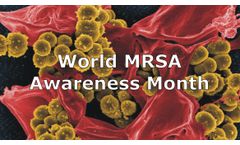
The IAQ Video Network and Cochrane & Associates announced the release of their latest educational video today. Their newest production discusses World MRSA Awareness Month which takes place each October. “Methicillin-resistant Staphylococcus aureus (MRSA) is a type of staph that can be resistant to several antibiotics,” said Paul Cochrane, President of Cochrane & ...

In May, the Centers for Disease Control and Prevention (CDC) announced the release of new guidance for preventing the spread of infections in K-12 schools. The agency shared various everyday actions that schools can take to help keep students healthy by mitigating the spread of infections. The five actions listed by the CDC are: · Taking steps for cleaner air · ...

The Centers for Disease Control and Prevention (CDC) recently released new guidance for preventing the spread of infections in K-12 schools. The agency has shared various everyday actions that schools can take to help keep students healthy by minimizing the spread of infections. Five of the actions listed by CDC include: · Taking steps for cleaner air · Cleaning, ...

Acinetobacter is described by the Centers for Disease Control and Prevention (CDC) as a group of bacteria commonly found in the environment. While there are many types, the most frequent cause of infections in humans is Acinetobacter baumannii. Infections of the blood, urinary tract, and lungs, or in wounds in other parts of the body can all be caused by Acinetobacter baumannii. It can also ...

The Centers for Disease Control and Prevention (CDC) reports that almost 19% of children, and just over 25% of adults, have a seasonal allergy. These allergies can be a significant problem for some people, including during the hot summer months. High levels of airborne mold and pollen during the summer months can be an issue for people working or enjoying the outdoors. These same allergens and ...

Almost anyone with a weakened or suppressed immune system could be at a heightened risk of developing an invasive mold infection (IMI). Two of the most common IMIs include invasive aspergillosis and invasive mucormycosis. The Centers for Disease Control and Prevention (CDC) warns that IMIs can occur days to weeks after exposure to fungi that live in the environment. The agency goes so far as to ...

While most species of Fusarium are harmless, others can cause costly plant damage or spoil cereal crops through the production of mycotoxins, including fumonisins and trichothecenes. Exposure to Fusarium can even cause potential health issues for humans and animals. In homes and buildings that have suffered water damage or elevated humidity levels, Fusarium is sometimes found in surface and air ...

One of the largest cruise line operators recently issued a letter to passengers that had sailed on one of their ships after learning that two prior passengers had a Legionella diagnosis. The letter was reportedly sent out of an ‘abundance of caution’ as the two individuals were not diagnosed onboard. During the time of the two illnesses, the ship in question was based in Florida with ...

The New York State Department of Health (NYSDOH) describes enterococci as part of the normal flora in the intestinal tract and also a common cause of nosocomial infections. The bacteria can also often found in the natural environment, in soil and water. The Centers for Disease Control and Prevention (CDC) warns these bacteria are constantly finding new ways to avoid the effects of the ...

Mucormycosis is a rare but serious type of fungal infection caused by a group of fungi known as mucormycetes. Mucor species and Rhizopus species are some of the most common causes of mucormycosis, however there are also other species. The fungi typically live in soil and decaying organic matter. It is frequently a life-threatening infection warns the Centers for Disease Control and Prevention ...