
Infection Monitoring Articles & Analysis
19 news found

Examples of minor infections listed include impetigo, scarlet fever, and strep throat. Some of the serious infections listed by the CDC include cellulitis, necrotizing fasciitis, and streptococcal toxic shock syndrome. ...

The Centers for Disease Control and Prevention (CDC) reports there are an estimated 450,000 cases of shigellosis, an infection caused by Shigella bacteria, in the United States each year. ...
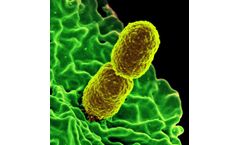
Klebsiella is described by the Centers for Disease Control and Prevention (CDC) as a type of gram-negative bacteria that can cause different types of healthcare-associated infections (HAIs). These include pneumonia, bloodstream infections, wound or surgical site infections, and meningitis. ...

These can sometimes be the result of deficiencies with water management and infection control programs. “Outbreaks of Legionnaires’ disease have occurred numerous times in the past on cruise ships and other vessels,” said Harry Pena, President of Zimmetry Environmental. ...
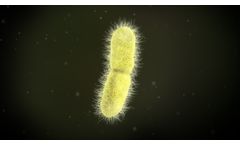
The Centers for Disease Control and Prevention (CDC) describes Klebsiella as a type of gram-negative bacteria that can cause different types of healthcare-associated infections (HAIs). These include pneumonia, bloodstream infections, wound or surgical site infections, and meningitis. ...

The Centers for Disease Control and Prevention (CDC) describes Klebsiella as a type of gram-negative bacteria that can cause different types of healthcare-associated infections (HAIs). These can include pneumonia, bloodstream infections, wound or surgical site infections, and meningitis. ...
More than 2.8 million antibiotic-resistant infections occur in the U.S. each year and more than 35,000 people die as a result according to the CDC’s 2019 Antibiotic Resistance (AR) Threats Report. ...

Proper care can help guard against skin irritation, infections, and help your G-tube last longer. Daily gastrostomy care includes: Ensuring your hands are clean prior to touching the tube or stoma site. ...

Specific Diagnostics announces today the commencement of its US clinical studies for the Reveal Rapid AST System for blood infection. Trials will entail 3 months of data collection followed by submission for FDA consideration of 510(k) clearance of the Reveal test. ...

Those contacts are then educated and supported so they understand how to monitor for symptoms and act in a way that will prevent them from potentially infecting others. ...
ByBioVigil

The test will enable individuals to assess their immune response to vaccination or to infection, and to monitor their antibody level for changes over time. At this point, the duration of immunity to COVID-19 conferred by vaccination remains unknown, and measuring antibody levels periodically after vaccination can provide insight into changes in the immune ...

In a high profile case in Washington, a number of patients even lost their lives due to infections caused by a common mold known as Aspergillus. Tragically, many healthcare-associated mold outbreaks could have been prevented if the mold growth had been found and properly remediated. ...

Hepatitis C (HCV) infection is the most common cause of liver cell carcinoma and liver transplants in Europe, which are possible late–stage effects of a chronic infection, alongside cirrhosis of the liver. An antiviral therapy to eliminate the hepatitis C virus allows a treatment and curing of the infection. The standardized approach for ...

Until 2000, Streptococcus pneumoniae infections caused 100,000-135,000 hospitalizations for pneumonia, 6 million cases of ear infections, and 60,000 cases of invasive disease, including 3300 cases of meningitis. Disease figures have improved since a pneumococcal conjugate vaccine was introduced in 2001. Streptococcus pneumoniae, or pneumococcus, is a type of Gram-positive bacteria. It can ...
Candidiasis is caused by fungal pathogens from the Candida genus. Most infections are caused by Candida albicans, a type of fungus that grows both as a yeast and filamentous cells. The ubiquitous fungi represent one of the most common fungal pathogens to affect the human population. According to the Centers for Disease Control and Prevention (CDC), “Invasive candidiasis is a fungal ...
As healthcare-associated infections (HAIs) receive increased attention by the U.S. Centers for Disease Control and Prevention (CDC) and the national media, healthcare facilities are under increased pressure to prevent their spread. ...
According to the Centers for Disease Control and Prevention (CDC), one out of every twenty hospital patients acquires an infection while being treated for another illness. Reducing healthcare-associated infections (HAIs) has become a central focus of the CDC in recent years and many healthcare facilities across Illinois have been on the frontline of these efforts. Healthcare-associated ...
According to the Illinois Department of Public Health (IDPH) there were 15,323 hospital discharges of people who had experienced infections due to Clostridium difficile in 2009. The vast majority of these infected patients, at 68%, were individuals who were 65 years or older. Of these, almost 60% were female patients. “Clostridium difficile, also known as C. diff, CDI and C. difficile, ...
” The Hospital Report Card Act requires all Illinois hospitals to report nurse staffing, infection prevention measures and hospital acquired infections data to the Illinois Department of Public Health. According to the IDPH, “The Infection Control Staffing measures now available on the website show the number of ...