
Skin Exposure Articles & Analysis
8 news found
The risks increase for those with hospitalizations or nursing home stays, skin-to-skin contact with others, and exposure to crowded or unhygienic places. ...

The risks increase for people with hospitalizations or nursing home stays, skin-to-skin contact with others, and exposure to crowded and unhygienic places. ...
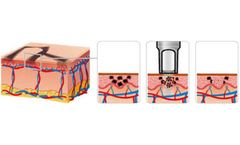
Picosecond technology penetrates deep into the skin and acts on the skin or blood vessels, causing the damaged tissue to atrophy and die, resulting in darkening and crusting of the skin. ...
Helsinki, 06 June 2013 – Tributyltin compounds already have a harmonised group entry in Annex VI of the CLP Regulation, covering acute toxicity, specific target organ toxicity – repeated exposure, eye irritation, skin irritation and environmental hazards. The dossier submitter, Germany, proposes classification for reproductive toxicity and to update ...
With the traditional Memorial Day kick off to summertime activities, EPA is reminding New England citizens and visitors about simple steps to take to protect their skin from too much sun exposure. This year EPA has teamed up with the National Council on Skin Cancer Prevention, Food and Drug Administration and National Park Service to emphasize ...

Allergic responses may include hay fever-like symptoms such as headache, sneezing, runny nose, red eyes, and skin rash. Repeated or single exposure to mold, mold spores, or mold fragments may cause non-sensitive individuals to become sensitive to mold, and repeated exposure has the potential to increase sensitivity. Mold ...
The Friday before Memorial Day is “Don’t Fry Day,” a time to remind people at the start of summer about the dangers from exposure to the sun’s harmful rays. Melanoma, the most serious form of skin cancer, is on the rise in America and is the most common cancer among young adults aged 25-29. ...
The Friday before Memorial Day is “Don’t Fry Day,” a time to remind people at the start of summer about the dangers from exposure to the sun’s harmful rays. Melanoma, the most serious form of skin cancer, is on the rise in America and is the most common cancer among young adults aged 25-29. ...