
Refine by
Locations
- Africa
- Algeria
- Angola
- Benin
- Botswana
- Burkina Faso
- Burundi
- Cameroon
- Cape Verde
- Central African Republic
- Chad
- Comoros
- Congo
- Congo, Democratic Republic Of The
- Djibouti
- Egypt
- Equatorial Guinea
- Eritrea
- Ethiopia
- Gabon
- Gambia
- Ghana
- Guinea
- Guinea-Bissau
- Ivory Coast
- Kenya
- Lesotho
- Liberia
- Libya
- Madagascar
- Malawi
- Mali
- Mauritania
- Mauritius
- Morocco
- Mozambique
- Namibia
- Niger
- Nigeria
- Rwanda
- Senegal
- Seychelles
- Sierra Leone
- Somalia
- South Africa
- St. Helena
- Sudan
- Swaziland
- SãO Tomé & PríNcipe
- Tanzania
- Togo
- Tunisia
- Uganda
- Zaire
- Zambia
- Zimbabwe
Patient Data Entry Equipment & Supplies In Africa
4 equipment items found
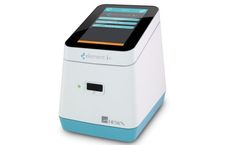
Manufactured by:Heska Corporation based inLoveland, COLORADO (USA)
Intuitive Interface: Easy to use interface makes testing simple. Accurate Results : Reliable, quantitative results provide data when you need it. Cartridge Storage : Room temperature storage simplifies managing inventoryFast Results. Get test results in as little as 5 minutes. Bi-Directional Interface : Two way communication (when available) simplifies patient ...
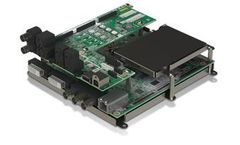
Manufactured by:TEAC Corporation based inTama-shi, JAPAN
The on-board recording engine used in TEAC's UR-4MD. All-in-one or Fully Customizable options (5.25" form factor design) Feature-rich, Reliable, Flexible and ...
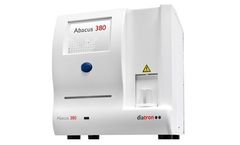
Manufactured by:Diatron based inBudapest, HUNGARY
The Abacus 380 is the flagship product of Diatron’s 3-part differential hematology analyzers. With an 80 test/hour throughput, small footprint, lightweight and user-friendly color touch screen, it is ideal for laboratories, clinics, and physician practices ...
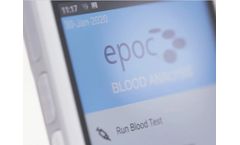
Manufactured by:Siemens Healthcare GmbH based inErlangen, GERMANY
What could happen when critical testing results are securely delivered patient-side in less than 1 minute with a system that securely connects the entire care team? With the epoc® Blood Analysis System as the nexus of care, caregivers and the laboratory can stay connected to what’s important—being where patients need them most. ...