
- Home
- Equipment
- asia middle east
- real time patient data
Refine by
Locations
- Asia & Middle East
- Afghanistan
- Armenia
- Azerbaijan
- Bahrain
- Bangladesh
- Bhutan
- Brunei Darussalam
- Cambodia
- China
- East Timor
- Georgia
- Guam
- India
- Indonesia
- Iran
- Iraq
- Israel
- Japan
- Jordan
- Kazakhstan
- Kuwait
- Kyrgyzstan
- Laos
- Lebanon
- Malaysia
- Maldives
- Mongolia
- Myanmar
- Nepal
- North Korea
- Oman
- Pakistan
- Palestinian Territories
- Philippines
- Qatar
- Russia
- Saudi Arabia
- Singapore
- South Korea
- Sri Lanka
- Syria
- Taiwan
- Tajikistan
- Thailand
- Turkmenistan
- United Arab Emirates
- Uzbekistan
- Vietnam
- Yemen
Real Time Patient Data Equipment Supplied In Asia Middle East
4 equipment items found
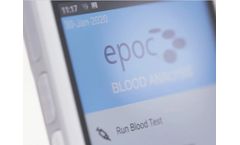
Manufactured by:Siemens Healthcare GmbH based inErlangen, GERMANY
What could happen when critical testing results are securely delivered patient-side in less than 1 minute with a system that securely connects the entire care team? With the epoc® Blood Analysis System as the nexus of care, caregivers and the laboratory can stay connected to what’s important—being where patients need them most. ...
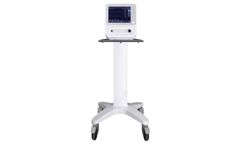
Manufactured by:heyer medical AG based inBad Ems, GERMANY
VS500S is a specially designed non-invasive ventilator for premature infant, neonate and pediatric. It provides comprehensive non-invasive ventilation to meet various respiratory management ...
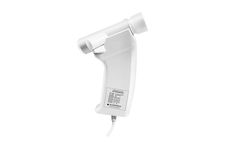
Manufactured by:Cubic Sensor and Instrument Co., Ltd based inWuhan, CHINA
The Gasboard-7020 Handheld Pulmonary Function Spirometer utilizes ultrasonic gas flow sensing technology to assess the respiratory and inspiratory functions of the body. It seamlessly transforms a patient's breathing signals into electrical data, which is then transmitted to the corresponding signal processing circuit. This enables the device to display ...
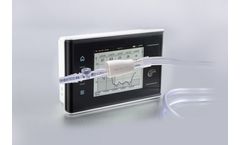
by:RenalSense based inJerusalem, ISRAEL
Clarity RMS™ is a critical care monitoring system that continuously measures urine flow, automatically transmitting to the medical staff real-time data, and notifications of fluctuations, on a 24/7 basis. This information, which reflects changes in renal function, provides an early sign of AKI risk and facilitates rapid intervention. In addition, it is invaluable for ...