
Show results for
Refine by
Implant Applications Equipment Supplied In Germany
7 equipment items found
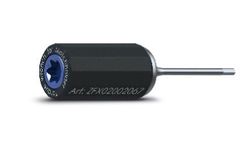
Manufactured by:Zfx GmbH based inDachau, GERMANY
The two-piece Desktop scanbodies for multiple usage are produced with an innovative code system, that enables the automatic recognition of the implant type and prevents application ...
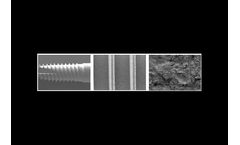
by:DOT GmbH based inRostock, GERMANY
DUOTex® is a subtractive surface generated by blasting with HA powder followed by a double acid etching process. ...
by:DOT GmbH based inRostock, GERMANY
A porous TPS coating is applied on the implants using a vacuum plasma spray process to modify the surface of ceramic implants and thus to make the surface attractive for improved osseointegration. ...
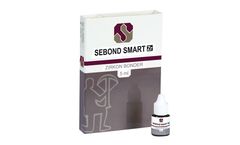
Manufactured by:Schütz Dental GmbH based inRosbach, GERMANY
The Sebond Smart Zirconium Bonder is designed specifically to establish a reliable chemical bond between zirconium dioxide and composite veneers. This bonder offers enhanced retention properties required for secure dental applications and implants. Ideal for use in various dental prosthetics, this product supports the interface between advanced dental frameworks ...
Manufactured by:Zapp Precision Metals GmbH based inSchwerte, GERMANY
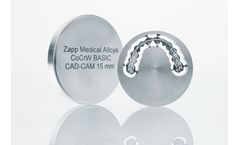
Find the right material for a beautiful smile: for orthodontic products, implants – their fittings, rotating instruments, or CAD/CAM disks. The range of materials consists of: pure titanium, titanium alloys, various CoCr alloys, and stainless steels. Nickel-free and non-magnetic stainless steels are also available. ...
by:DOT GmbH based inRostock, GERMANY
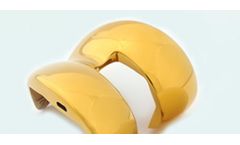
An arc with high current density is run over the target material causing it to evaporate and to release titanium atoms, which are ionized and propelled towards the implant. During the process, nitrogen is introduced into the vacuum chamber. The TiN coating is formed when the titanium ions strike the implant surface and, simultaneously, combine with the nitrogen atoms. ...

by:DOT GmbH based inRostock, GERMANY
An arc with high current density is run over the target material causing it to evaporate and to release titanium and niobium atoms, which are ionized and propelled towards the implant. During the process, nitrogen is introduced into the vacuum chamber. The TiNbN coating is formed when the titanium and niobium ions strike the implant surface and, simultaneously, combine with the nitrogen ...