
- Home
- Equipment
- usa massachusetts
- tumor response
Refine by
Tumor Response Equipment Supplied In Usa Massachusetts
6 equipment items found

by:Myeloid Therapeutics based inCambridge, MASSACHUSETTS (USA)
Myeloid is focused on advancing its ATAK CAR monocytes, which are myeloid cells with innate immune receptor-inspired CARs to recognize and kill cancer. Additionally, Myeloid has streamlined manufacturing for its ATAK cell therapy candidates through a rapid, single-day cell process. This method provides significant advantages to the patient, contract development, and manufacturing organizations ...

Manufactured by:Alphageneron based inCambridge, MASSACHUSETTS (USA)
Our lead clinical stage natural killer (NK) cell therapy, is an autologous platform technology that activates NK cells to kill cancers expressing a unique membrane form of Heat Shock Protein 70 ...
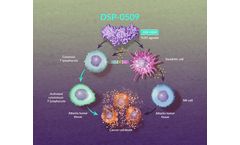
by:Sumitomo Pharma Oncology, Inc. based inCambridge, MASSACHUSETTS (USA)
DSP-0509 is an investigational Toll-like receptor (TLR) 7 agonist, which is hypothesized to induce cytokine production, activate cytotoxic T lymphocytes, and sustain immune-mediated antitumor ...

Manufactured by:Transgene based inIllkirch-Graffenstaden, FRANCE
TG4001 is an innovative therapy capable of combating papillomavirus-induced cancers. The concept behind TG4001 is to teach the immune system to recognise and destroy the cancer cells expressing HPV-16 antigens, specifically E6 and E7 ...

Manufactured by:Elicio Therapeutics based inBoston, MASSACHUSETTS (USA)
Our lymph node-targeted mKRAS cancer vaccine; Our Amphiphile (AMP)-powered lead candidate, ELI-002, generates a robust immune response against mutant Kristen rat sarcoma (mKRAS), with the potential to offer patients a stronger fight against the most aggressive cancers. Preliminary data have shown that ELI-002 produces a potent mKRAS-specific T-cell response, ...

by:Sumitomo Pharma Oncology, Inc. based inCambridge, MASSACHUSETTS (USA)
Immunotherapeutic cancer vaccines have generated a lot of interest from oncologists since it was discovered that immune activation can lead to a specific antitumor response.1 However, despite initial progress, most cancer vaccines have failed to drive sufficient tumor immunogenicity, leading to poor clinical responses.1 The reason for this may be ...