
Refine by
Locations
- USA
- Alabama
- Alaska
- Arizona
- Arkansas
- California
- Colorado
- Connecticut
- Delaware
- District Of Columbia
- Florida
- Georgia (Us)
- Hawaii
- Idaho
- Illinois
- Indiana
- Iowa
- Kansas
- Kentucky
- Louisiana
- Maine
- Maryland
- Massachusetts
- Michigan
- Minnesota
- Mississippi
- Missouri
- Montana
- Nebraska
- Nevada
- New Hampshire
- New Jersey
- New Mexico
- New York
- North Carolina
- North Dakota
- Ohio
- Oklahoma
- Oregon
- Pennsylvania
- Rhode Island
- South Carolina
- South Dakota
- Tennessee
- Texas
- Utah
- Vermont
- Virginia
- Washington
- West Virginia
- Wisconsin
- Wyoming
Feed Conversion Equipment Supplied In Usa
5 equipment items found

Manufactured by:Global Nutritech based inRichmond, VIRGINIA (USA)
EXCELMOS is an all-natural source of mannanoligosaccharides and beta glucans derived from the cell wall of a selected strain of Saccharomyces cerevisiae at a specific temperature and ...
Manufactured by:Keeton Industries, Inc. based inWellington, COLORADO (USA)
Increase Survival – Probiotics are proven to increase survival by reinforcing the body’s natural defense mechanisms, increasing disease resistance and suppressing potentially harmful ...

Manufactured by:Elanco based inGreenfield, INDIANA (USA)
Regardless of cattle prices, it is essential to use proven and high-return solutions, like Component with Tylan. Because they provide a 24:1 return on investment (ROI), implants continue to play a significant role in end-point management ...
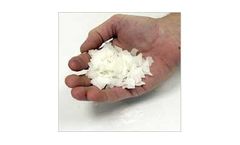
Manufactured by:Fritz Industries, Inc. based inMesquite, TEXAS (USA)
Molecular Weight - 203.3. Bulk Density - 12lb/ft3. Appearance - A colorless deliquescent, odorless material crystal or flakes. Main Uses - Numerous uses in many different industries. Assay - 99.0 - 107.0%. Alkalinity - (as Ca(OH)2): % ≤ 0.25. Solubility - water 54.2 g/100 cm3 (20ºC). Heavy Metals - ...
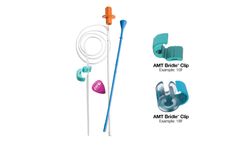
Manufactured by:Applied Medical Technology, Inc. (AMT) based inBrecksville, OHIO (USA)
: A nasal bridle is a securement method used to discourage patients, young or old, from pulling on their nasoenteric feeding tube. Reports show that 40 percent of nasogastric feeding tubes are dislodged, which may lead to the unnecessary surgical placement of a feeding device or conversion to parenteral nutrition support.* A ...