


Surgival
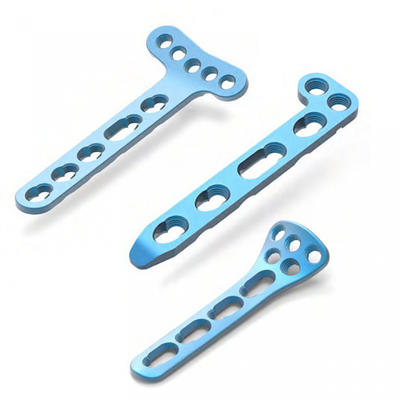
Surgival RadLock - Radial Locking Plates for Radius Fractures
FromSurgival
The RadLock system by Surgival offers a highly adaptable solution specifically designed for managing distal and proximal radius fractures. Its fixed-angle locking mechanism allows for configurations that provide strong angular stability, catering especially to bones of lesser quality. The system includes a broad assortment of plates, with strategically placed screw trajectories that ensure fragment fixation and joint support across diverse fracture patterns. This system is ideal for temporary fixation during the consolidation of radius fractures, employing various surgical approaches, including volar or dorsal techniques for distal radius and lateral techniques for proximal radius. The RadLock system comprises volar distal, dorsal distal, and proximal radius locking plates, each available in anatomical versions for right and left sides. Additionally, the RadLock screw system employs hexalobular technology to optimize torque application, ensuring the integrity of the connection during tightening and facilitating ease of screw removal. The screws are available in 13 lengths, ranging from 6 to 30 mm in 2 mm increments. This system, however, does not currently possess CE marking.Most popular related searches
soft tissue
radius plate
joint fixation
distal radius plate
anatomical plating
trauma system
bone preservation
implant
anatomy
surgery
RadLock system Surgival is a highly versatile solution for distal and proximal radius fractures. Its fixed-angle locking design enables the configuration of fixations with high angular stability, even in poor quality bone. The large variety of plates, with carefully defined screws trajectories, provides the fragment fixation and joint support needed across a wide range of fracture patterns.
- All the implants are made of Titanium Alloy Ti6AI4VELI (ISO 5832-3/ASTM F136)
- Fixed-angle, threaded locking hole: Multifragmentary angular stability.
- Preformed anatomical design: The plates adapt to the anatomy of the radius, minimising the need for bending in surgery.
- Combined holes: Compression fixation with cortical screws or internal fixation with locking screws.
- Low profile reduced bone contact: Prevents irritation of soft tissues, preserving bone vascularisation.
- Progressively tapered end to facilitate minimally invasive atraumatic insertion (only in some plates).
- Bent notches: To facilitate contouring and to prevent the threaded holes from deforming with moulding (only in some plates).