
- Home
- Services
- asia middle east
- t and b cell
Show results for
Refine by
Locations
- Asia & Middle East
- Afghanistan
- Armenia
- Azerbaijan
- Bahrain
- Bangladesh
- Bhutan
- Brunei Darussalam
- Cambodia
- China
- East Timor
- Georgia
- Guam
- India
- Indonesia
- Iran
- Iraq
- Israel
- Japan
- Jordan
- Kazakhstan
- Kuwait
- Kyrgyzstan
- Laos
- Lebanon
- Malaysia
- Maldives
- Mongolia
- Myanmar
- Nepal
- North Korea
- Oman
- Pakistan
- Palestinian Territories
- Philippines
- Qatar
- Russia
- Saudi Arabia
- Singapore
- South Korea
- Sri Lanka
- Syria
- Taiwan
- Tajikistan
- Thailand
- Turkmenistan
- United Arab Emirates
- Uzbekistan
- Vietnam
- Yemen
T And B Cell Services In Asia Middle East
3 services found

Manufactured by:Celemics, Inc. based inSeoul, SOUTH KOREA
Immune Repertoire often represents an individual’s current immuno- logical status, whether healthy, vaccinated, diseased or infected. Only the high-throughput NGS analysis could comprehensively profile an individual’s immune repertoire. Celemics presents Immune Repertoire Profiling Service, providing effective data acquisition, integration, and interpretation for the ...

by:Champions Oncology, Inc. based inHackensack, NEW JERSEY (USA)
Champions Oncology's ex vivo AML co-culture platform for Immuno-Oncology therapeutic testing. Champions Oncology has launched an innovative new platform enabling Acute Myeloid Leukemia (AML) researchers the ability to better understand their therapeutic mechanism of action. The Autologous AML Platform is an ex vivo co-culture assay developed and optimized to interrogate the responses of your ...
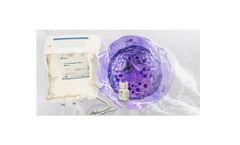
Manufactured by:Thermo Fisher Scientific based inWaltham, MASSACHUSETTS (USA)
Natural killer (NK) cells are innate lymphocytes that kill virally infected or malignant cells. Unlike T cells, NK cells function in an antigen independent manner, responding to anything they perceive as "non-self", including malignant cells. NK cells are an attractive allogeneic immune modulator, as they have a well-known safety profile and lack the potential to cause graft-vs-host disease, a ...