
- Home
- Software
- north korea
- diagnosis software
Refine by
Diagnosis Software Software Available In North Korea
6 software items found

by:GlobVision Inc. based inMontreal, QUEBEC (CANADA)
IntelliSOFD-x (Intelligent Satellite Operations Fault Diagnosis – XIPS) is a software prototype developed by GlobVision for early detection and isolation of anomalies in Xenon Ion Propulsion System (XIPS) thrusters of Anik F1 telecommunications satellite using telemetry data. The fault diagnosis methods integrated into the ...
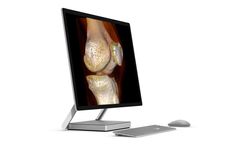
Manufactured by:Epica Human Health based inDuncan, SOUTH DAKOTA (USA)
EPICA’s ultra high resolution and non-interpolated CT image data rendered in a VR environment to supplement and communicate diagnosis. Software application allows the physicians, radiologists, patients, and other care collaborators to “fly” through the ...
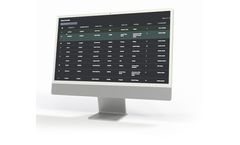
by:Paige AI, Inc. based inNew York City, NEW YORK (USA)
Advanced viewing of digital slides and AI results in one system. FullFocus is a whole-slide image viewer for use in primary ...
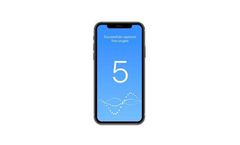
Manufactured by:Sanrai International based inEndicott, NEW YORK (USA)
Developed in Australia, the ResApp is a digital solution to the challenges of diagnosing respiratory diseases. By using artificial intelligence, the ResApp listens to a patients cough sounds and enables rapid, low cost, point of care and remote diagnosis of respiratory diseases. Clinically validated to be over 85% accurate, the ResApp has the power to change how respiratory diseases are diagnosed ...
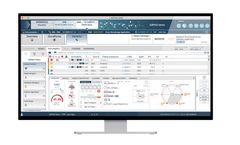
by:SOPHiA Genetics based inBoston, MASSACHUSETTS (USA)
Hematological tumors represent the fourth most frequent cancer type in the developed world. In addition to the continuously evolving clinical guidelines2, harnessing of all the available information when investigating hematological disorders into meaningful insights can be outdated, inaccurate, costly, and time-consuming. This ultimately risks limiting researchers’ productivity, thus ...

by:SOPHiA Genetics based inBoston, MASSACHUSETTS (USA)
Most rare and inherited diseases have a neurological component, likely because more than 80% of human genes are expressed in the brain.1 Neurological disorders are multifactorial and heterogeneous, meaning that their genetic basis is often poorly understood. Indeed, only 30-50% of neurological disorders have a molecular genetic diagnosis.2 ...