
Refine by
Locations
- Europe
- Albania
- Andorra
- Austria
- Belarus
- Belgium
- Bosnia & Herzegovina
- Bulgaria
- Croatia
- Cyprus
- Czech Republic
- Denmark
- Estonia
- Faroe Islands
- Finland
- France
- Germany
- Greece
- Hungary
- Iceland
- Ireland
- Italy
- Kosovo
- Latvia
- Liechtenstein
- Lithuania
- Luxembourg
- Macedonia
- Malta
- Moldova
- Monaco
- Montenegro
- Netherlands
- Northern Ireland
- Norway
- Poland
- Portugal
- Romania
- San Marino
- Serbia
- Slovakia
- Slovenia
- Spain
- Sweden
- Switzerland
- Turkey
- Ukraine
- United Kingdom
- Vatican City
Applications
- Exosomes - Extracellular Vesicles for Validation and Quality Control
- Exosomes - Extracellular Vesicles for Cancer Treatment
- Exosomes - Extracellular Vesicles for Immunomodulating Response
- Exosomes - Extracellular Vesicles for Molecular Therapy
- Exosomes - Extracellular Vesicles for Brain Drug Delivery
- Exosomes - Extracellular Vesicles for Ocular Drug Delivery
Angiogenesis Wound Equipment & Supplies In Europe
3 equipment items found

Manufactured by:Creative Peptides based inNew York, NEW YORK (USA)
Thymosin β4 is a 43 amino acid peptide which is regarded as the main intracellular G-actin sequestering peptide. Extracellular thymosin β4 may contribute to physiological processes such as angiogenesis, wound healing and regulation of inflammation.http://www.creative-peptides.com/product/thymosin-acetate-item-10-101-35-110.html ...
Manufactured by:Echelon Biosciences, Inc (EBI) based inSalt Lake City, UTAH (USA)
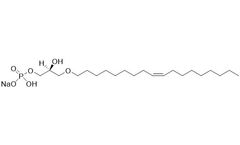
Lysophosphatidic Acid (LPA) is a small lysophospholipid involved in diverse cellular processes such as cell proliferation, chemotaxis, platelet aggregation, wound healing, angiogenesis, tumor invasion, and smooth muscle contraction. LPA binds to several G-coupled protein receptors to initiate its biological functions. In cancer, LPA primarily promotes cell ...
Manufactured by:Nanovex Biotechnologies based inLlanera, SPAIN
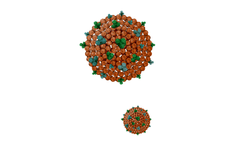
Exosomes are extracellular vesicles of natural origin that are produced by all cell types in the range of 40 to 160 nm. They have a key role in cell-to-cell communication and have been proved to be powerful tools in diagnosis and therapeutics. Their basic structure is very similar to liposomes, consisting of double lipid which is a slice of cell membrane and an aqueous based core which will be a ...