
- Home
- Articles
- us virgislands
- tissue damage
Refine by
Tissue Damage Articles & Analysis
94 articles found

Medical advancements are constantly pushing the boundaries of what is possible in healthcare. One such innovation that is gaining traction in the medical field is the use of Polytetrafluoroethylene (PTFE) in new treatment methods. But how exactly is PTFE being utilized to revolutionize medical ...
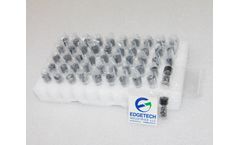
To ensure that the targeted area is treated without damaging surrounding tissues, marker bands are used to accurately pinpoint the location of the treatment site. ...

When surgical device placement is precise, the likelihood of complications such as tissue damage or prolonged procedure times decreases significantly. Radiopaque materials also help reduce the need for repeated fluoroscopy or imaging sessions, minimizing a patient’s exposure to ionizing radiation. ...

Introduction At R&L Medical, we believe wound care is entering a new era. Traditional bandages and gauze once served as the primary option for wound management, but they often fell short in addressing modern clinical needs. Patients require solutions that not only protect against contaminants but also create an environment where the body can heal efficiently and comfortably. This is where ...

The effectiveness of ELANE as an antimicrobial enzyme is supported by in vivo studies showing increased susceptibility to bacterial infections in ELANE-deficient models. Dysregulation and Tissue Damage: The Inflammatory Trade-off While ELANE is crucial for defense, its unregulated activity is a major contributor to inflammatory tissue injury. ...
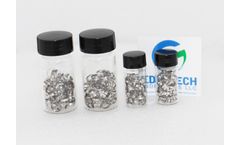
When it comes to interventional procedures, the ability to accurately and precisely target tissue structures has always been a challenge. However, in today's ever-evolving medical landscape, innovation is on the rise – one of which is platinum-iridium, marker bands. ...

Modern oncology APIs include targeted therapies like kinase inhibitors and monoclonal antibodies that precisely attack cancer cells while minimizing damage to healthy tissues. The manufacturing of HPAPIs requires specialized containment facilities, sophisticated handling protocols, and advanced analytical techniques due to their high pharmacological activity at ...

The pioneering initiative represents a major advancement in targeting cancer treatments to destroy malignant cells effectively while reducing damage to healthy tissues. The complex nature of cancer treatment today creates a rising need for more precise and tailored therapeutic methods. ...
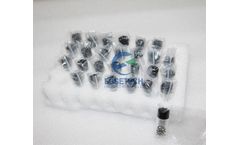
To ensure that the targeted area is treated without damaging surrounding tissues, marker bands are used to accurately pinpoint the location of the treatment site. ...

By focusing on specific molecules or genes that contribute to cancer progression, they reduce collateral damage to healthy tissues. Immunotherapy APIs stimulate the body's immune system to recognize and attack cancer cells, providing a more natural avenue for treatment. ...

Targeted Approach: These therapies often target specific pathways involved in tumor growth and immune evasion, potentially minimizing damage to healthy tissues and reducing side effects. Combination Therapies: Immuno-oncology can be combined with other treatment modalities, including surgery, radiation, and chemotherapy, to optimize patient outcomes. ...
Stem Cell-Derived Cardiac Muscle Patches A cutting-edge approach using stem cell-derived cardiac muscle patches has shown the potential to repair damaged heart tissue. In studies involving monkeys and a human patient with advanced heart disease, these patches improved cardiac function within three to six months. This regenerative technique, which involves ...
For example, in the context of cancer treatment planning, medical rings can assist in more clearly defining tumor boundaries during radiation therapy, ensuring that treatment is focused and minimizes damage to surrounding healthy tissue. Technological Progress in Diagnostics The outlook for diagnostic technology is bright with the incorporation of medical rings. ...

Role in Plant Defense In plants, glucosinolates act as a natural defense mechanism against herbivores and pathogens. When plant tissues are damaged, glucosinolates are hydrolyzed by endogenous enzymes (such as myrosinase) to produce bioactive degradation products like isothiocyanates, thiocyanates, and nitriles. ...
Human mesenchymal stem cells (hMSCs) are a remarkable type of stem cell found in various tissues, such as bone marrow, adipose tissue, and umbilical cord. These cells have garnered significant attention in the field of regenerative medicine and therapeutic research due to their unique properties and potential applications. ...
In the field of medical device manufacturing, the materials used in creating life-saving equipment must meet the highest standards of safety, reliability, and performance. Among these materials, fluoropolymer tubing has emerged as a critical component, playing a crucial role in various medical devices. Whether it’s for intravenous (IV) systems, catheters, or diagnostic equipment, ...

This precision targeting is critical for treating diseases such as cancer, where minimizing damage to healthy tissues while aggressively targeting cancerous cells is paramount. ...

Leukocyte Membrane in Bionic Nanomedicine Leukocytes are blood cells responsible for repairing tissue damage, fighting off invaders, etc. They are part of the body’s specific and nonspecific immunity and are a very important line of defence. ...
Cytokines are produced in response to various stimuli and are essential for regulating both innate and adaptive immunity, hematopoiesis (the formation of blood cells), cell growth, the maintenance of pluripotent stem cells, and the repair of damaged tissues. Cytokines can be classified into several categories based on their functions and structures. ...
Some of the most promising applications include: Regenerative Medicine: Wharton’s jelly MSCs can potentially regenerate damaged tissues and organs due to their ability to differentiate into multiple cell types. ...