
Refine by
Human Cancer Articles & Analysis
48 articles found

It recognizes a specific target protein and facilitates the final transfer of ubiquitin from the E2 enzyme to that protein. The human genome contains hundreds of different E3 ligases, each responsible for selecting a specific set of proteins, ensuring incredible specificity. ...

Researchers have examined coated nanoparticles across different tumor types including human breast cancer and primary metastatic cancer along with liver cancer. Research on platelet membrane-coated nanoparticles shows potential in cancer therapy as well as cardiovascular disease treatment with broad application ...

Alfa Cytology has launched ovarian cancer therapy development services. Alfa Cytology, a prominent services provider in oncology, has launched its cutting-edge ovarian cancer therapy development services. This significant advancement represents a vital leap in the quest for more precise and effective treatments for ovarian cancer. With ...

Likewise, more than 130 different genes in zebrafish liver tumors exhibited expression similar to those characteristic of human liver cancers, correlating with histological tumor type, grade, and stage. There are several approaches to generate human cancers in zebrafish, such as the development of mutant and transgenic cell ...
The development principle of cancer vaccines usually includes the identification of antigens, vaccine formulation, immune activation, and targeting of cancer cells. ...
"The role of RNA splicing factors in cancer: regulation of viral and human gene expression in human papillomavirus-related cervical cancer." ...
Disturbances in metabolic pathways can lead to many common human diseases such as cancer, diabetes, obesity, hypoglycemia, hypolipidemia, phenylketonuria, neurodegeneration, etc. ...
Targeting of triple negative breast cancer cells by disulfiram Triple negative breast cancer (TNBC) refers to breast cancer that is negative for estrogen receptor (ER), progesterone receptor (PR) and human epidermal growth factor receptor 2 (Her-2), which can only be treated clinically with radiotherapy and chemotherapy. ...

The Myc gene is one of the most important drivers of cancer in mice and humans. Myc also plays a newly discovered key role in aging, according to a new study in Cell Reports by researchers at UPMC Children's Hospital of Pittsburgh and the University of Pittsburgh School of Medicine. ...

Therefore, quantum dot-labeled microspheres can be used for multiplex detection of miRNA overexpression in human lung cancer cells. Fluorescent Microspheres for Protein Detection Multi-color quantum dot-bound microspheres have been widely proven to be used for the simultaneous detection of multiple antigens, including IgG, tumor markers, and pathogenic markers. ...
We all know that these junk RNAs are the cause of cancer because when you put them in zebrafish, they mirror the whole process again. Mutations in CDK13 are present in many human cancers and function identically in zebrafish, mouse and human cells. ...

Early in the pandemic, virologists used classical cell lines such as immortalized Vero cells and human continuous cell lines. A severe limitation of these simple tissue culture models is that they are not human or derived from human cancers and thus do not faithfully replicate healthy human physiology. ...
In a fast and economical manner, targeted region sequencing is able to obtain the complete catalog of disease genes, allowing us to see the differences among thousands of people to discover critical genes that cause human disease, such as cancer, heart disease, autism, and schizophrenia. ...

Today, in the era of personalized medicine, a comprehensive diagnosis that includes not only the morphological aspects of cancer, but a detailed molecular profile must be produced so the appropriate treatment can be tailored by oncologists and other clinicians. ...
Representing the expression, post-translational modification, and protein-protein interaction for certain cells, tissues, or organs, proteomics has become an increasingly important means to understand the molecular mechanism and signal transduction of human disease and cancer. Protein levels in the body are in a steady state of equilibrium. ...
It plays an important role in the research of microorganisms and human health, agriculture and animal husbandry, environmental detection and treatment, and utilization of microorganism resources. ...
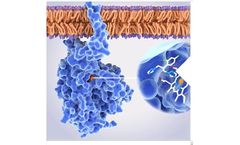
In the early 20th century, humans discovered vitamins, and then trace elements and minerals. It was only in the mid-1980s that humans realized the importance of enzymes. ...

Aberrant protein degradation, in fact, is also a pathogenic mechanism in some diseases, such as cystic fibrosis (CF) and some forms of cancer. Therefore, for these diseases, targeted protein stabilizers (TPS), rather than targeted protein degraders (TPD), need to be developed. ...
The cell is the basic unit of life. Most current studies on the human genome, cancer or other fields are still conducted from the population level, and the results are often the mean value of gene expression in cell populations or only represent information on the vital activities of numerically dominant cells, while failing to accurately reflect much of the ...
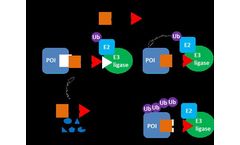
Dual-target PROTACS In the occurrence and development of cancer, there are usually multiple factors that work together, including different kinds of kinases and growth factors, which can act independently or interfere with each other through signaling networks. ...