
Refine by
Metabolic Enzymes Articles & Analysis
27 articles found

By replacing or supplementing missing or dysfunctional enzymes in the body, enzyme-based therapies can restore key metabolic processes and significantly improve patient outcomes. ...

Plant cell viability refers to the proportion of living, metabolically active cells in a given sample. It provides insight into cellular health, growth potential, and the effects of treatments such as cryopreservation, toxins, or genetic modification. ...

This process is primarily managed by two opposing families of enzymes: histone acetyltransferases (HATs), which add the acetyl group, and histone deacetylases (HDACs), which remove it. ...

S9 metabolic stability assays provide critical insights into how a compound behaves within biological systems, especially concerning its metabolism, stability, and overall pharmacokinetics. ...
Introduction Cytochrome P450 (CYP) refers to a family of enzymes that play a fundamental role in the metabolism of various substances within the body, particularly drugs, toxins, and endogenous compounds. ...
ADME stands for Absorption, Distribution, Metabolism, and Excretion, which are critical processes that determine the fate of a drug within the body. ...

Invertase, also known as β-fructofuranosidase, is a crucial enzyme in the field of biochemistry and food science, primarily recognized for its ability to catalyze the hydrolysis of sucrose into glucose and fructose. ...
Pharmacokinetic characteristics are composed of and determined by drug absorption, distribution, metabolism and excretion. The structure, physiological properties and pharmacokinetic characteristics of monoclonal antibodies are different from those of traditional small molecule drugs. ...

This process is catalyzed by glycosyltransferases, enzymes that transfer the sugar molecule from the nucleotide sugar to a growing glycan chain. ...
Many abnormal physiological states are associated with disorders of lipid metabolism. Studying the changes of lipids in different states of the organism at the systemic level can help analyze the mechanisms of lipid metabolic networks. Identification of key lipids and related enzymes can help to identify potential abnormalities in ...

Influencing the activity of sugar metabolism enzymes, promoting glycogen synthesis, or inhibiting glycogen breakdown. ...
They are readily absorbed by the body and play vital roles in energy metabolism, cell function, and immune health. Fat-soluble vitamins: Vitamin A, vitamin E, and vitamin K fall under this category. ...

Before reaching NT5E, adenosine triphosphate (ATP) undergoes a two-step hydrolysis process, transforming into AMP thanks to the enzyme ectonucleoside triphosphate diphosphohydrolase-1 (ENTPD1), also known as CD39. ...
Her team's imaging shows how the metabolism of the mouse brain changes when glycolysis is blocked in neurons. "This neuroimaging approach provides unprecedented information on brain metabolism," Chaumeil said. "The promise of metabolic imaging to inform basic biology and improve clinical care is enormous; there is still much to be explored." ...
Enzymes are specific to reactions, and specific enzymes can catalyze specific chemical reactions. ...
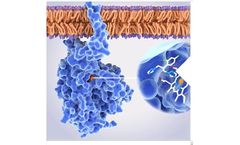
Enzymes control the entire body, and when enzymes function abnormally is fatal to human. ...
Catalysis Enzymes are a class of biological catalysts. They govern many catalytic processes such as metabolism, nutrition, and energy conversion of organisms. Most of the reactions closely related to life processes are enzyme-catalyzed reactions. These properties of the enzyme enable the intricate process of material ...
With the progress of research, the effects of CYP450 on organic synthesis and drug metabolism have been gradually explored. CYP enzymes can be classified according to the membrane-bound and soluble forms. ...
Pancreatic cancer is a highly malignant digestive system tumor, and the five-year survival rate of patients after diagnosis is only about 10%. Changes in metabolism are one of the important features of tumor cells. Tumor cells undergo metabolic reprogramming to generate the substances, energy, and redox forces required for their rapid proliferation. ...

The human gut microbiota has a large gene pool, encoding approximately 100-150 times more genes than the human genome, and contains a rich resource of enzymes with the ability to metabolize drugs. The diversity of gut bacteria also affects the mental health of the host. ...