
Refine by
Target Protein Articles & Analysis
143 articles found
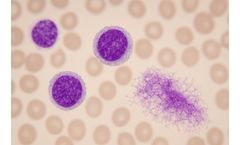
Bertin Bioreagent’s Myelotracker uses a peptide-based approach that targets lactoferrin, a neutrophil-associated protein, to achieve precise and selective labeling while preserving the cells’ physiological state.Evidence from the Application Note demonstrates efficient labeling of human neutrophils under native conditions and in the presence of NETs, enabling ...

One major limitation is drug delivery. Enzymes are large protein molecules that may have difficulty reaching certain tissues, particularly the central nervous system. ...
Compared with CCR5 or CCR2, which have narrower or more tissue-restricted roles, CCR1 is more multifunctional but harder to target selectively. Conclusion CCR1 protein sits at the intersection of host defense, inflammation, and pathology. Its broad ligand recognition and role in shaping the immune microenvironment make it a powerful but complex therapeutic ...

Understanding sgRNAs sgRNAs are short RNA sequences that guide the Cas9 protein to the target DNA. Typically, they consist of approximately twenty nucleotides complementary to the target DNA sequence, paired with a scaffold region that recognizes and binds to Cas9. ...

What is Protein Acetylation? At its core, Protein acetylation is the addition of an acetyl group (—COCH₃) from acetyl-coenzyme A (acetyl-CoA) to a protein. ...
What Exactly Is Protein Ubiquitination? At its core, ubiquitination is a type of Post-Translational Modification (PTM) where a small, 76-amino-acid protein called ubiquitin (Ub) is attached to a target protein. ...

These studies aim to identify whether antibodies or T cells generated against a particular antigen react with similar proteins found in different tissues, which can lead to unintended effects and complications. ...
Recombinant protein expression is a cornerstone of modern biopharmaceutical development, providing the means to produce proteins with therapeutic potential, enzymes, and antibodies. ...
At the heart of this technology lies the use of adeno-associated viruses (AAVs), which serve as robust delivery vehicles for light-sensitive proteins into targeted neuronal populations. This article delves into the significance of optogenetics AAV production services, highlighting their role in advancing biomedical research and therapeutic applications. ...
This overexpression prevents the normal death of cells, allowing them to survive longer than they should, which contributes to tumor development. Since then, the BCL2 protein has become a key target in oncology and molecular biology. Functions and Roles in the Body Proteins encoded by the BCL2 gene family function primarily at the mitochondrial ...

Alfa Cytology has revealed new FAP-targeted therapeutics development services that aim to develop precise and effective cancer treatments. Alfa Cytology has introduced its groundbreaking initiative which targets fibroblast activation protein(FAP) for cancer therapies. These solutions focusing on FAP to improve treatment accuracy and deliver ...
Immunohistochemistry: Frozen sections enable the study of protein expression within lung tissues. Specific antibodies can be used to target and visualize proteins associated with inflammatory responses, fibrosis, and cellular proliferation. ...
One such paradigm that has gained significant traction in recent years is the development of PROTAC (Proteolysis Targeting Chimeras) technology. This groundbreaking approach unlocks new potential in targeting previously “undruggable” proteins, paving the way for transformative therapies in various diseases. ...
TALENs (Transcription Activator-Like Effector Nucleases): TALENs are engineered proteins that can be designed to target specific DNA sequences. By creating double-strand breaks, they can facilitate the insertion of new DNA sequences or the disruption of gene function. ...
Key Proteins That Control the Cell Cycle Several groups of proteins play a critical role in regulating the cell cycle: 1. ...
They can be used to identify novel genes related to diseases, screen for potential therapeutic targets, and produce recombinant proteins for therapeutic use. Furthermore, the accessibility of fosmid libraries enables the mining of genetic resources from diverse organisms, including those that are less well-characterized. ...

What Is PROTAC Technology? Proteolytic targeting chimera (PROTAC) is a new type of drug design technology that works by inducing the degradation of target proteins. ...

Unlike traditional antivirals that target specific viral proteins, these novel compounds are designed using advanced techniques such as artificial intelligence and machine learning. ...

Principle of Degradome Sequencing The underlying principle of degradome sequencing involves the action of Argonaute (AGO) proteins, which cleave target mRNA sequences at a specific site determined by the complementary region of the miRNA. ...
Product transitions from research-use products to cGMP manufacturing are easiest if GMP is available from the same supplier that provides the research-use-only (RUO) protein. Despite more stringent manufacturing processes and analytical testing, there may be little variation between proteins in vials. ...