
- Home
- Equipment
- switzerland
- feed production
Refine by
Feed Production Equipment Supplied In Switzerland
5 equipment items found
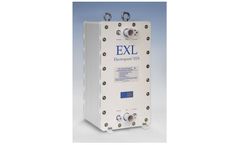
Premium
Manufactured by:SnowPure Water Technologies based inSan Clemente, CALIFORNIA (USA)
High Temperature Stable EDI for Pharmaceutical OEMs Now to 85°C. Key Benefits Include: Hot Water Sanitizable at 85°C / 185°F. 15 min up to 2 hrs (see USP recommendations). Rapid Heat/Cool Cycle — up to 160 cycles. New High Temperature FDA Urethane Materials. Pharmaceutical Stainless Steel (EXL option). Light, Compact, Easy to Ship and ...
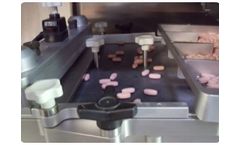
Manufactured by:HMH Systems AG based inHünenberg, SWITZERLAND
The Sypro linear bulk product conveyor is designed to efficiently transport products from a stainless steel bulk hopper to a specialized format tray. This system incorporates a vibratory linear conveyor that ensures a steady flow of products, which is critical for maintaining consistent operations in high-demand environments. HMH Systems offers two variations of the conveyor: one with a breakage ...
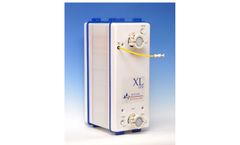
Premium
Manufactured by:SnowPure Water Technologies based inSan Clemente, CALIFORNIA (USA)
In kidney dialysis, the purity of water is critical in order to protect patients from harmful contaminants like endotoxins. Endotoxins are byproducts of dead bacteria killed in the water purification system, and when not removed, may trigger fevers in patients. Since this water is in contact with a patient's own blood, it is critical to reduce endotoxins to the lowest possible level. In a recent ...

Manufactured by:Arcomed AG based inKloten, SWITZERLAND
This method involves the administration of nutrients through a tube directly to the stomach or duodenum. This avoids the need for the patient to ingest food via the mouth and esophagus. Artificial feeding is used in instances when oral feeding is not possible. Nevertheless, the patient must have a functional digestive tract in order to absorb the nutrients correctly. There are two types of ...
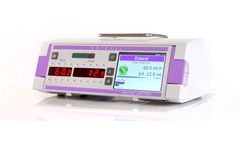
Manufactured by:Arcomed AG based inKloten, SWITZERLAND
This method involves the administration of nutrients through a tube directly to the stomach or duodenum. This avoids the need for the patient to ingest food via the mouth and esophagus. Artificial feeding is used in instances when oral feeding is not possible. Nevertheless, the patient must have a functional digestive tract in order to absorb the nutrients correctly. There are two types of ...